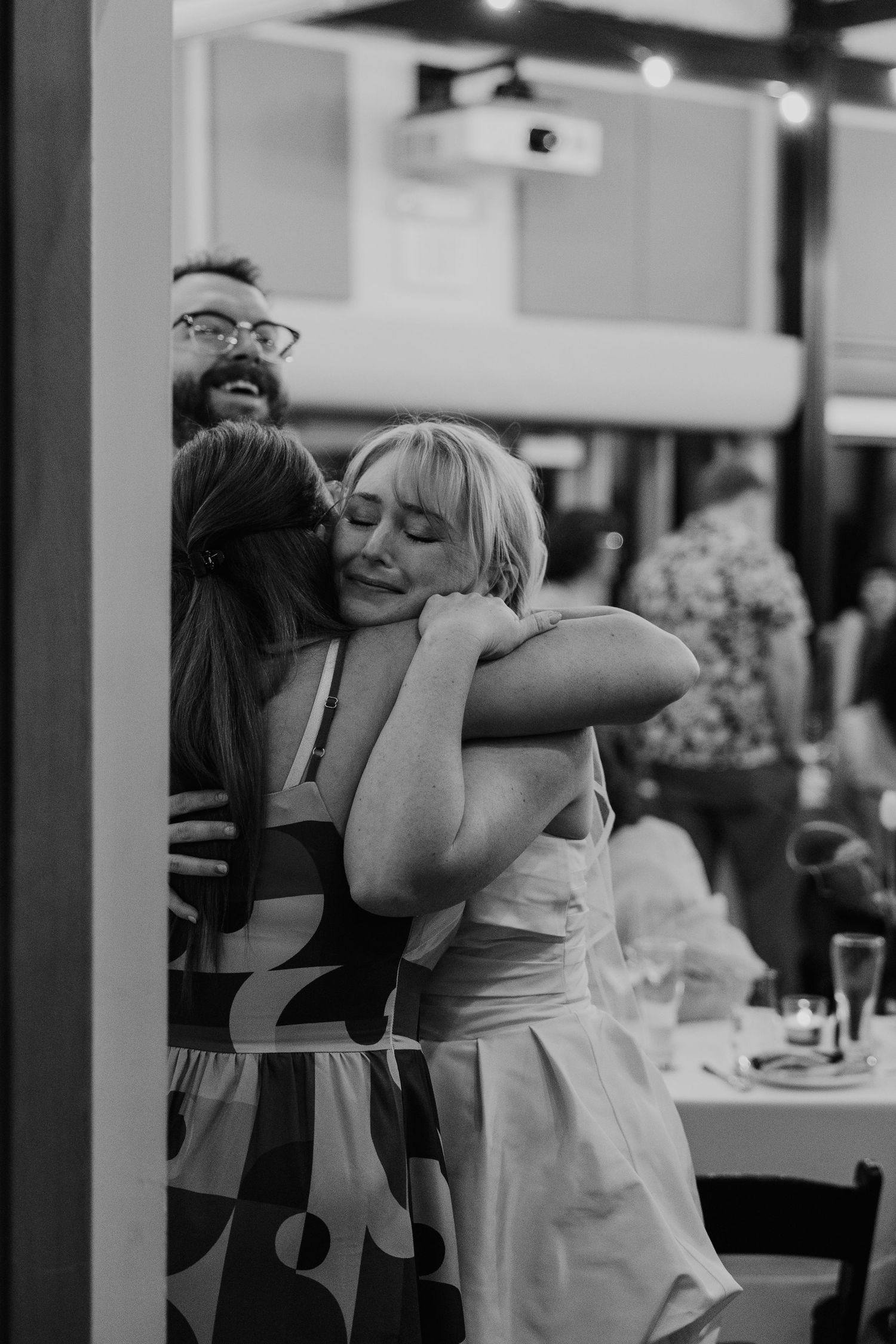
If you love wedding photos that feel like memories instead of a photoshoot, documentary-style wedding photography might be exactly what you're looking for. Think less standing around waiting for someone to tell you where to put your hands, and more photos of your best friend fixing your veil, your dad tearing up when he thinks no one is looking, your grandparents dancing together, and the absolute chaos happening on the dance floor at 10 p.m.
As a Raleigh wedding photographer, my approach combines documentary photography with an editorial eye. I want your gallery to have the beautiful portraits and intentional imagery that deserve to live on your walls, but I also want it to show you everything your wedding day actually felt like. While hiring a documentary wedding photographer is obviously part of that, the way you plan your wedding day matters, too.
Here are a few ways to create a wedding day that leaves room for real moments to happen.
1) Give Yourself More Time Than You Think You Need
One of the easiest ways to make your wedding day feel stressful is to create a timeline where every minute is accounted for. When the schedule is too tight, suddenly getting into your dress isn't just getting into your dress. It's something that needs to happen in exactly seven minutes because portraits are supposed to start at 2:43, which isn't exactly a recipe for being present.
Building breathing room into your wedding photography timeline gives you space to actually experience what's happening around you. You can finish getting ready without five people staring at the clock, hug your mom after she helps with your dress, or have a drink with your wedding party before the ceremony. It also gives your photographer time to notice and document the smaller things happening around you instead of constantly rushing everyone toward the next item on the schedule.
This is one of the reasons I help my couples create their photography timeline before the wedding. We're not just figuring out when photos happen; we're making sure you actually have time to enjoy the day you've spent months planning.
2) Don't Turn Getting Ready Into a Photoshoot
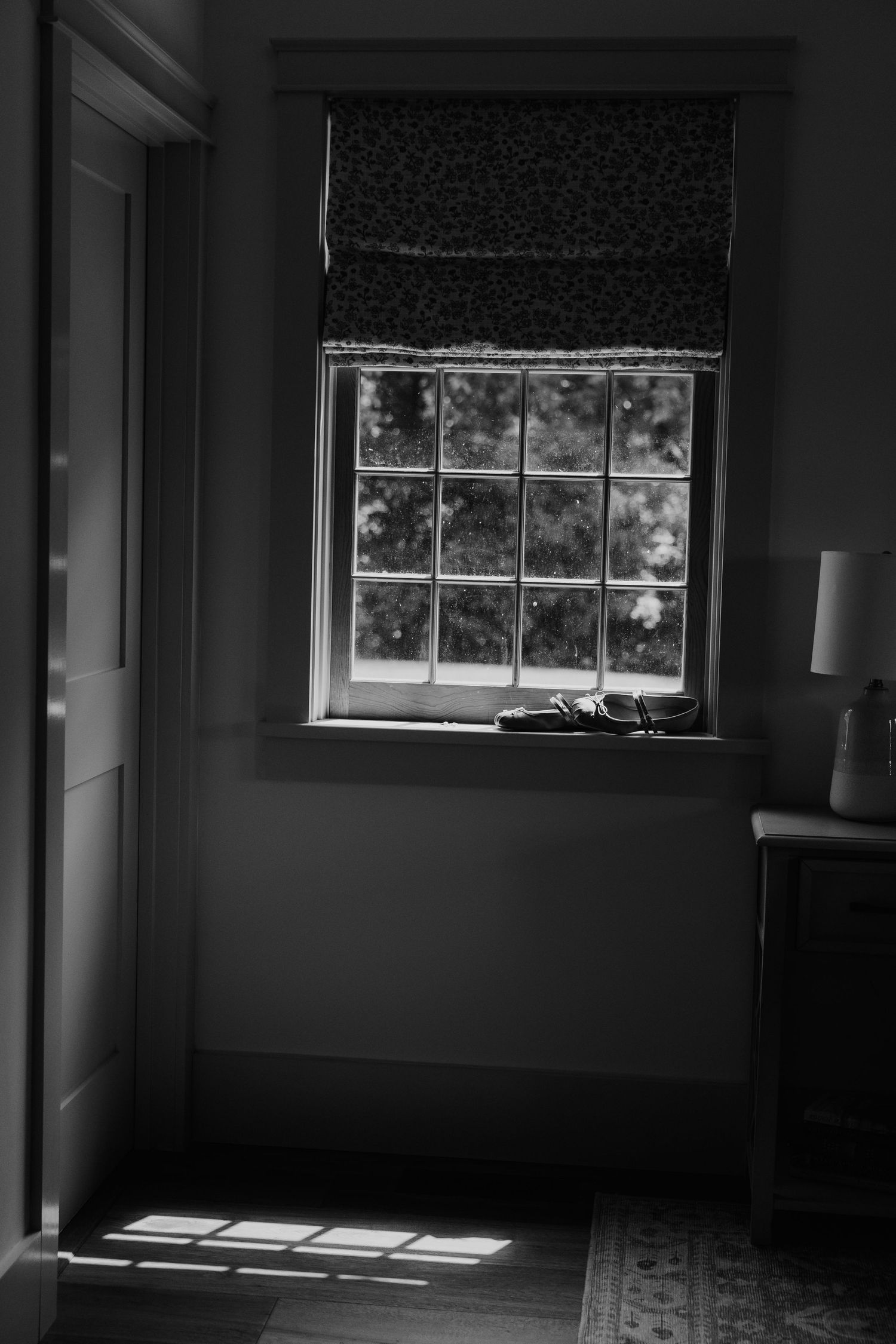
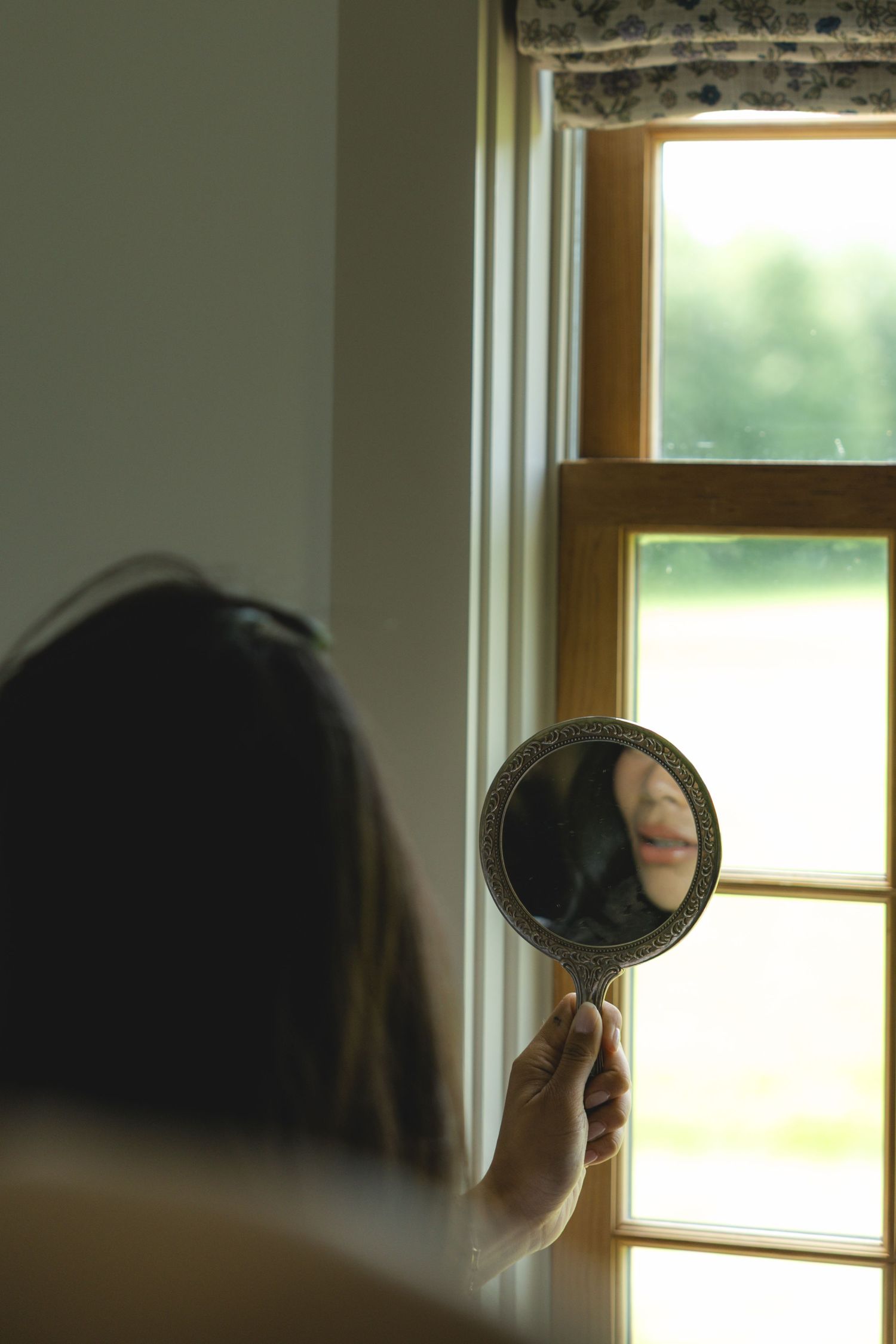
Your getting-ready photos don't have to be a checklist of things you've seen other people do. Matching pajamas, everyone pretending to put on mascara at the same time, champagne glasses held perfectly toward the camera—if those things genuinely sound fun to you, absolutely do them. But you don't need to manufacture moments just because you've seen them in other wedding galleries.
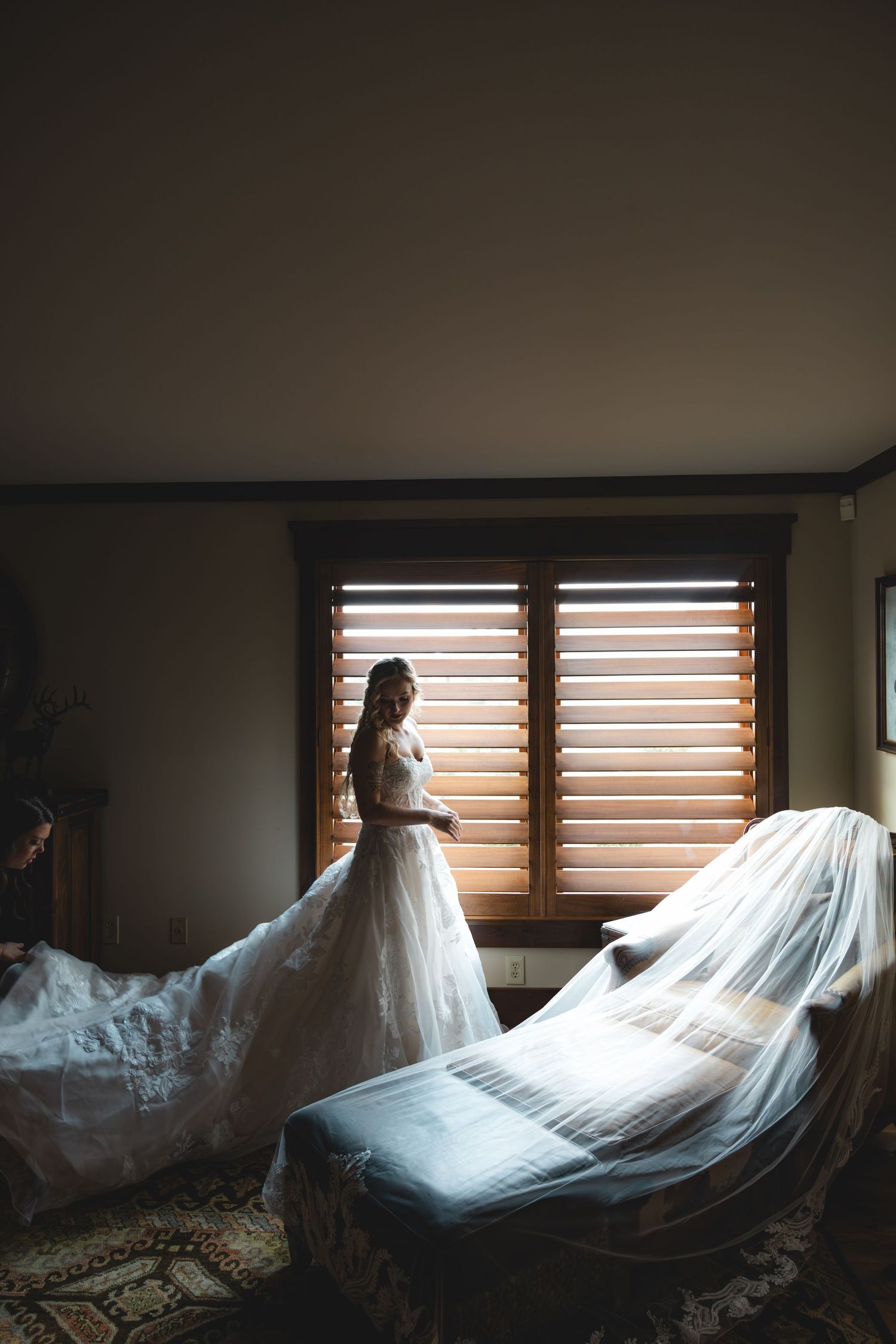
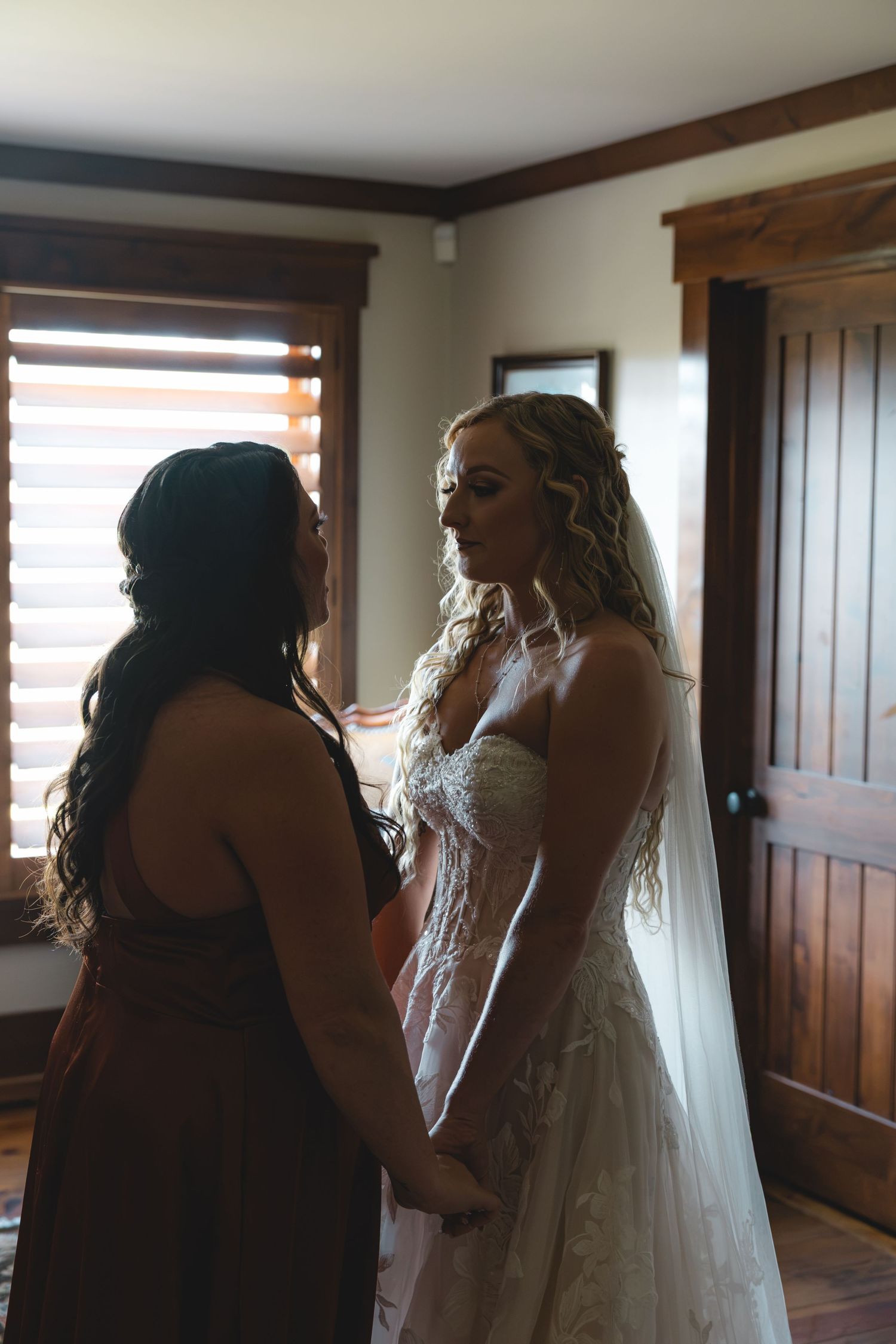
Instead, let the morning happen. Put on music, eat breakfast, have your friends hang out with you, let your mom help with your dress, or read a letter from your partner if you've exchanged them. Drink your coffee while someone inevitably asks where the fashion tape went. Those ordinary little interactions are often what make documentary wedding photos so meaningful later.

3) Get Ready With the People You Actually Want Around You
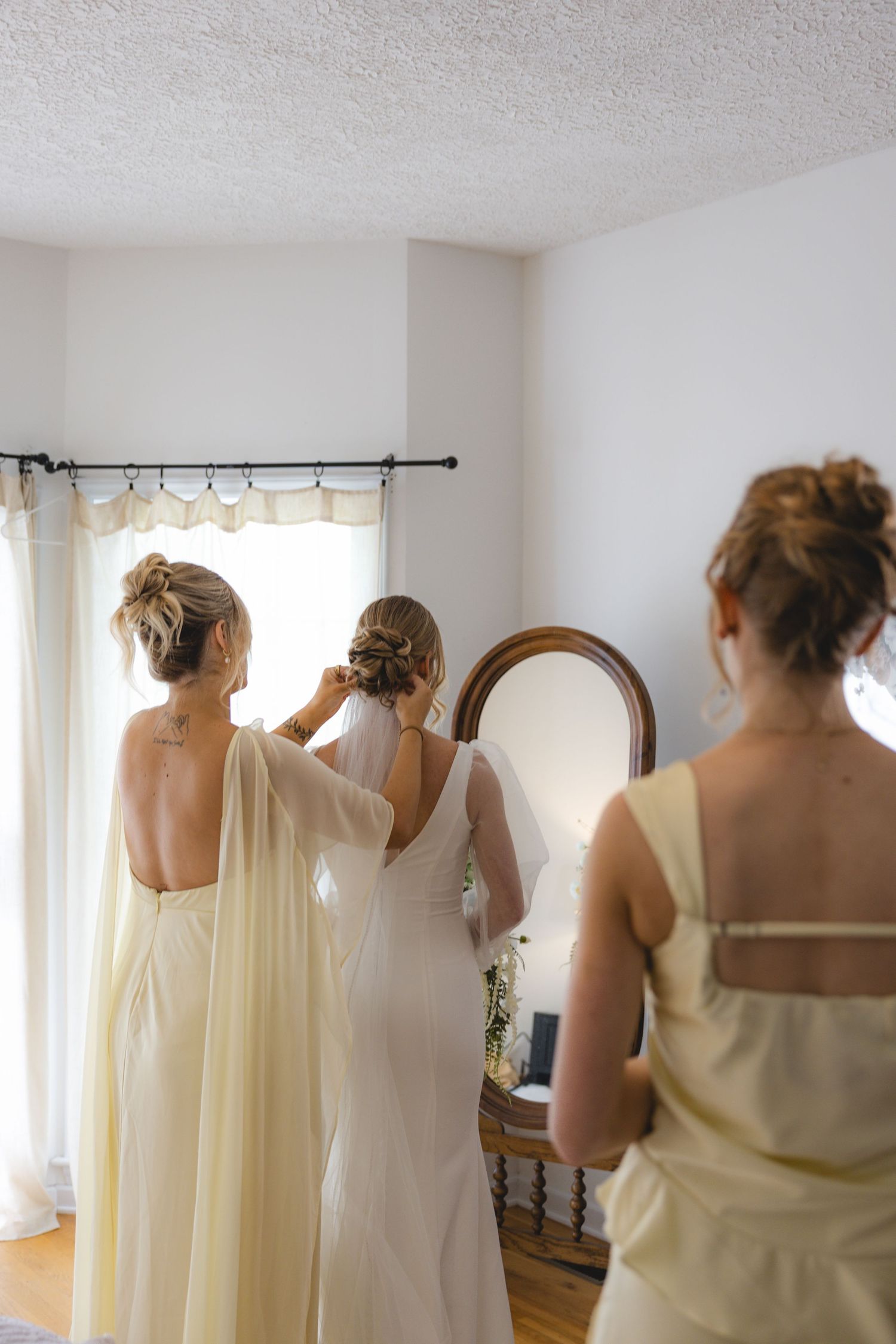
This sounds obvious, but your getting-ready space affects the entire energy of your morning. You don't need twelve people in the room simply because they're technically part of the wedding party. Surround yourself with the people who make you feel calm, comfortable, and like yourself.
Documentary photography works best when you aren't thinking about the photographer constantly, and being around people you trust makes that significantly easier. Choose the people who are going to make you laugh when something goes wrong, help when you need it, and remind you to eat something before you put your dress on.
4) Decide Whether a First Look Actually Makes Sense for You
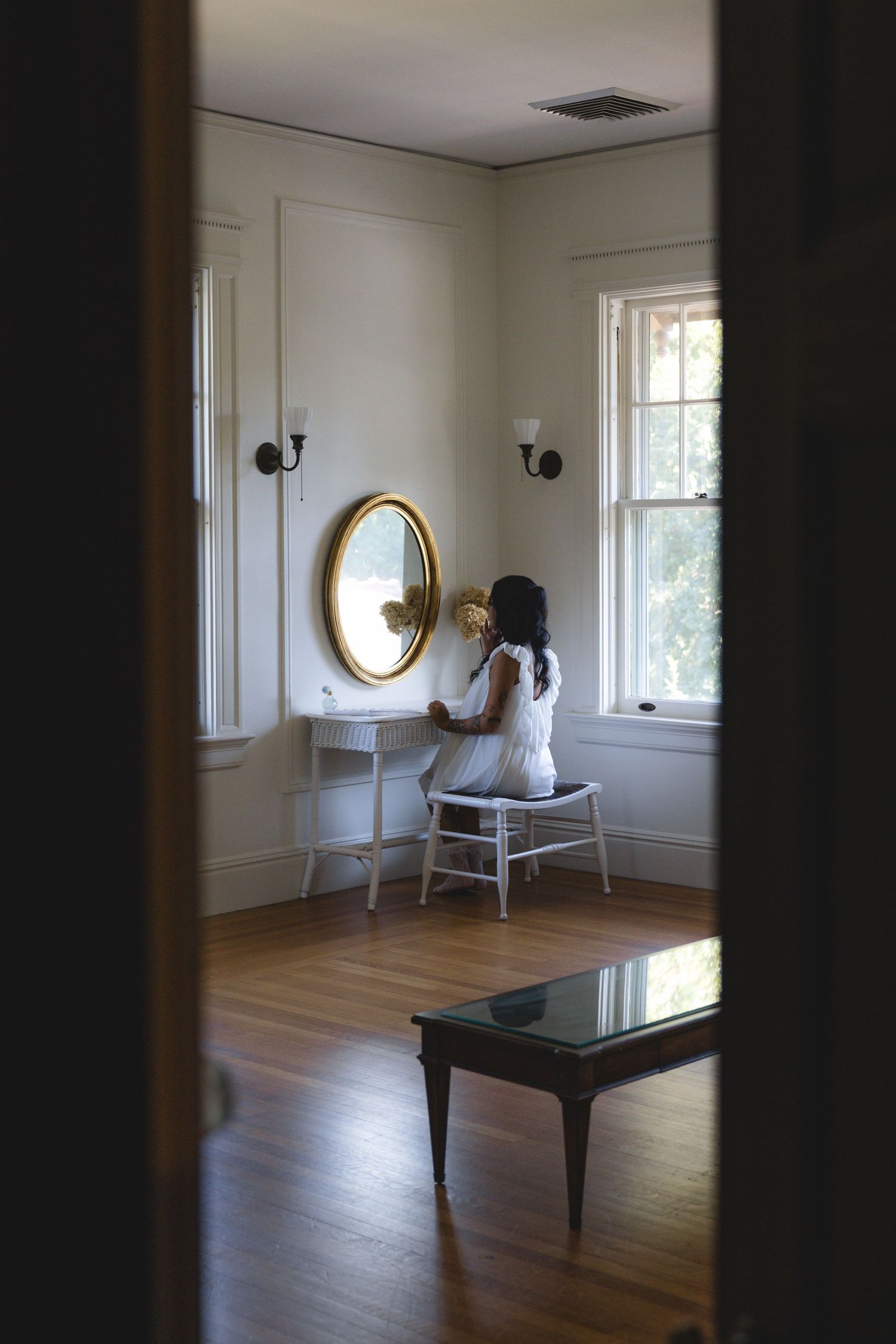
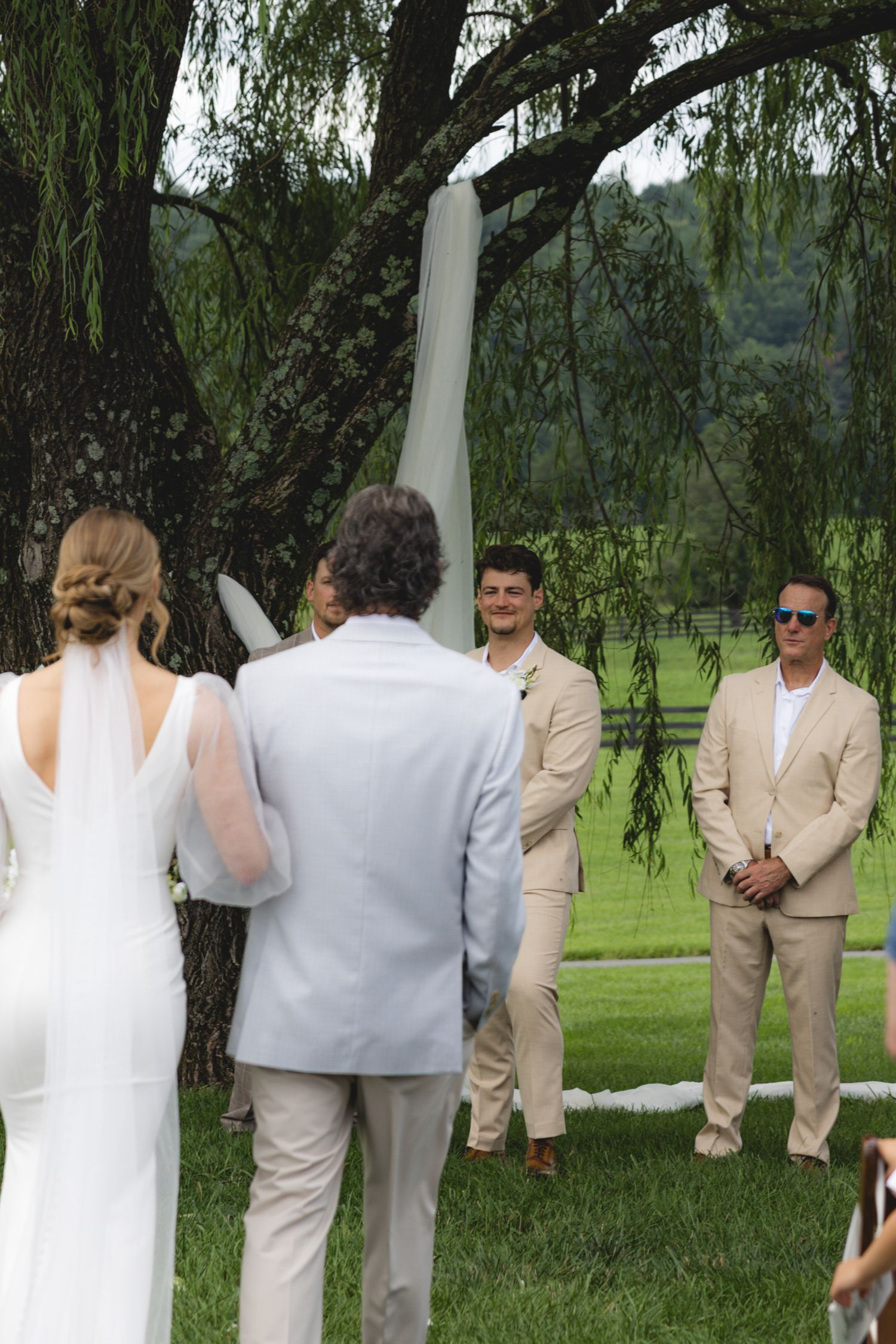
I don't believe every couple needs a first look. There are logistical reasons I sometimes recommend one, especially if you want to attend most of cocktail hour or complete family and wedding-party portraits before the ceremony, but your wedding timeline shouldn't automatically include a first look simply because someone told you it makes photography easier.
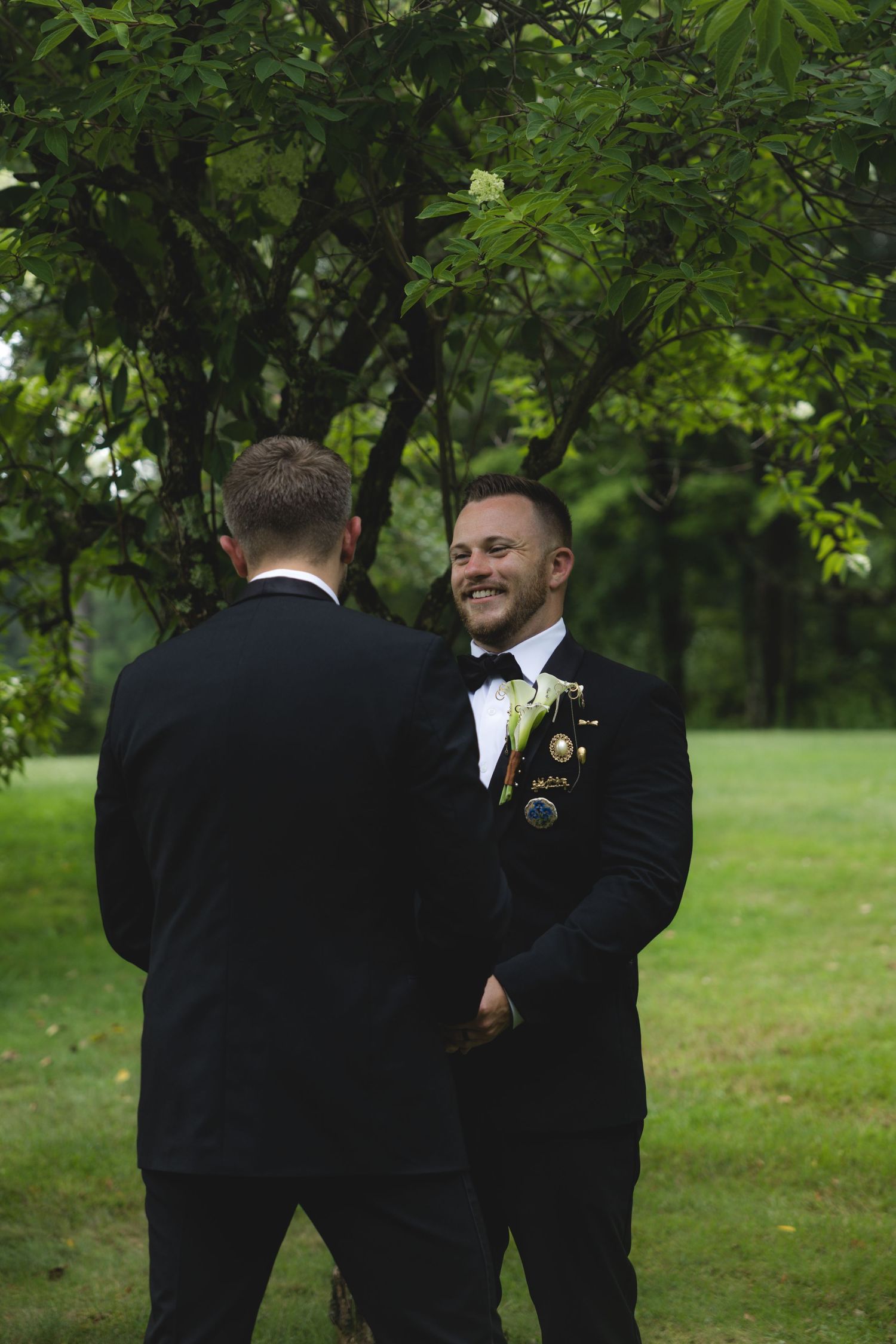
If you've dreamed about seeing each other for the first time while walking down the aisle, do that. If you know you'll be nervous all morning and seeing your person beforehand would immediately make you feel better, a first look might be perfect.
You can also make a first look feel less like a scheduled photo opportunity by giving yourselves a few minutes alone afterward. Hug, talk, cry, laugh about how weird it feels that you're finally getting married. The best option is whichever one allows you to experience the day the way you actually want to.
5) Keep Your Family Photo List Simple
Listen, I love your extended family, but if we have 47 different combinations on the formal family photo list, at some point your wedding day becomes school picture day.
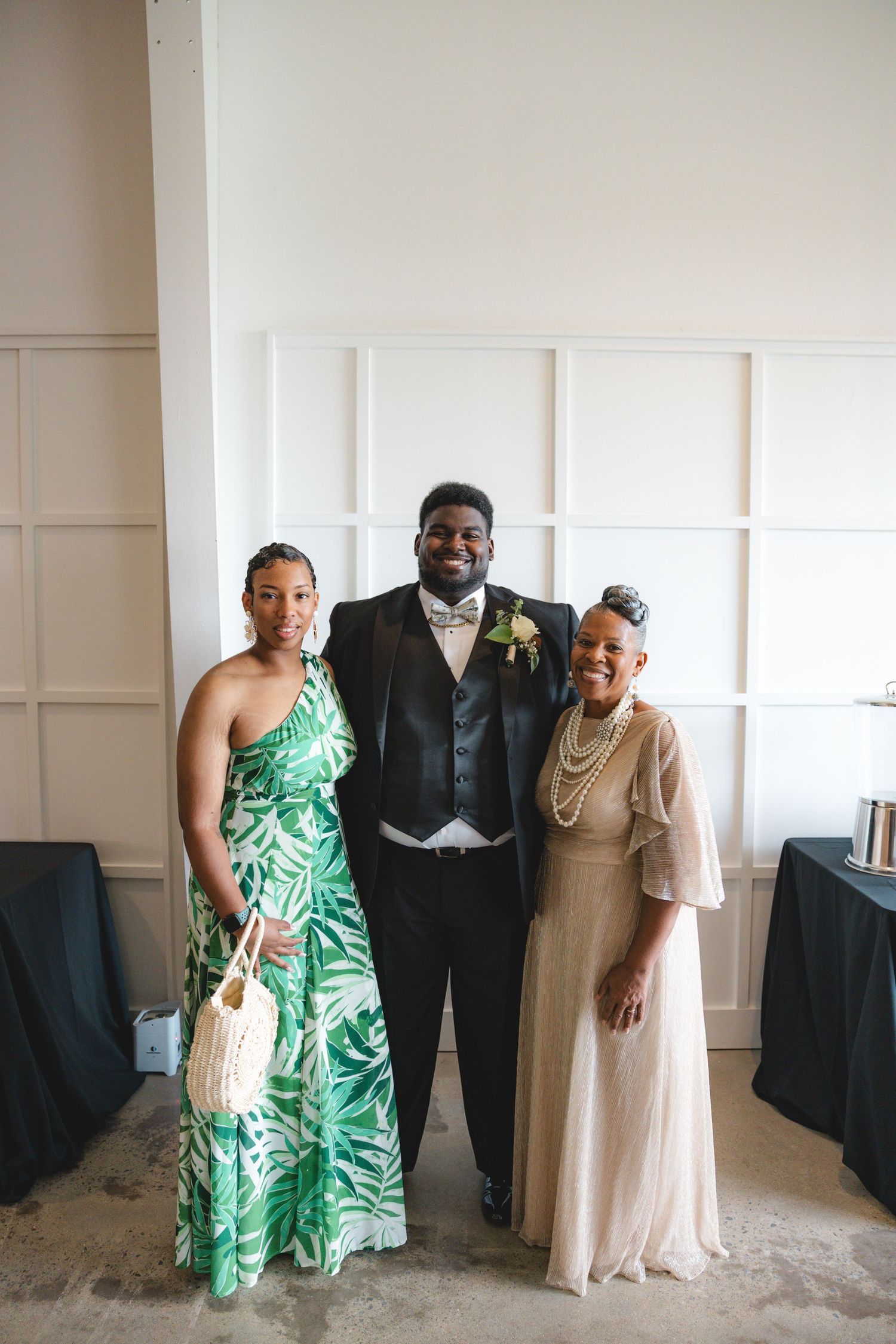
For most weddings, I recommend keeping the formal list focused on immediate family and the combinations that genuinely matter to you. We can absolutely photograph your extended family throughout the day, and those photographs often end up feeling much more meaningful when everyone is interacting naturally instead of standing shoulder-to-shoulder waiting for someone to yell, "Okay, now cousins!"
Keeping the formal list intentional means you spend less of cocktail hour posing for photographs and more of it celebrating with everyone you invited.
6) Let Cocktail Hour Actually Be Cocktail Hour
You are allowed to attend your own cocktail hour. I promise.
This is another reason thoughtful timeline planning is so important. Depending on your wedding day, we can often complete many of your portraits before the ceremony or keep the post-ceremony portrait portion intentionally short. That means you can actually grab a drink, eat the appetizers you paid for, and spend time with the people who came to celebrate you.
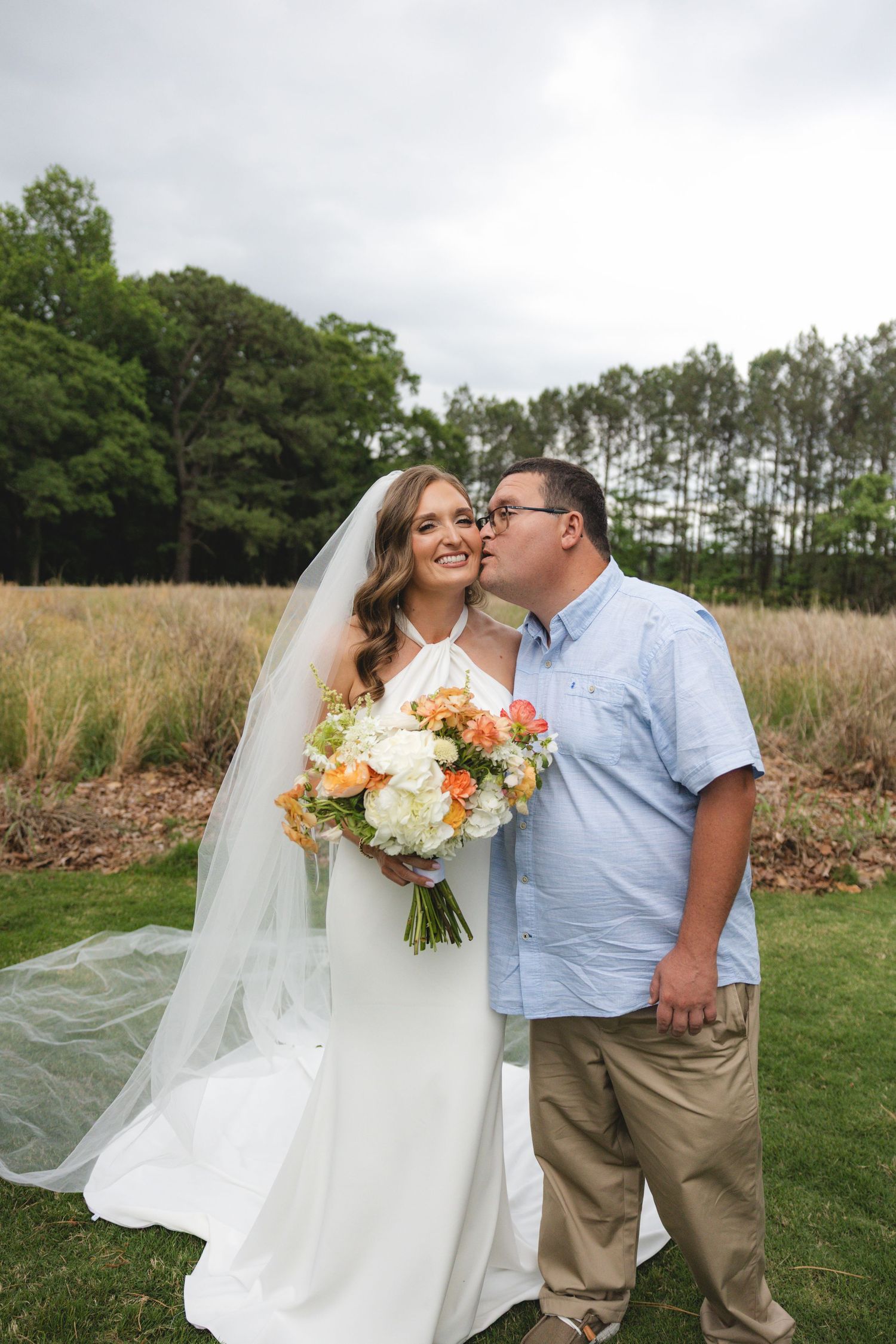
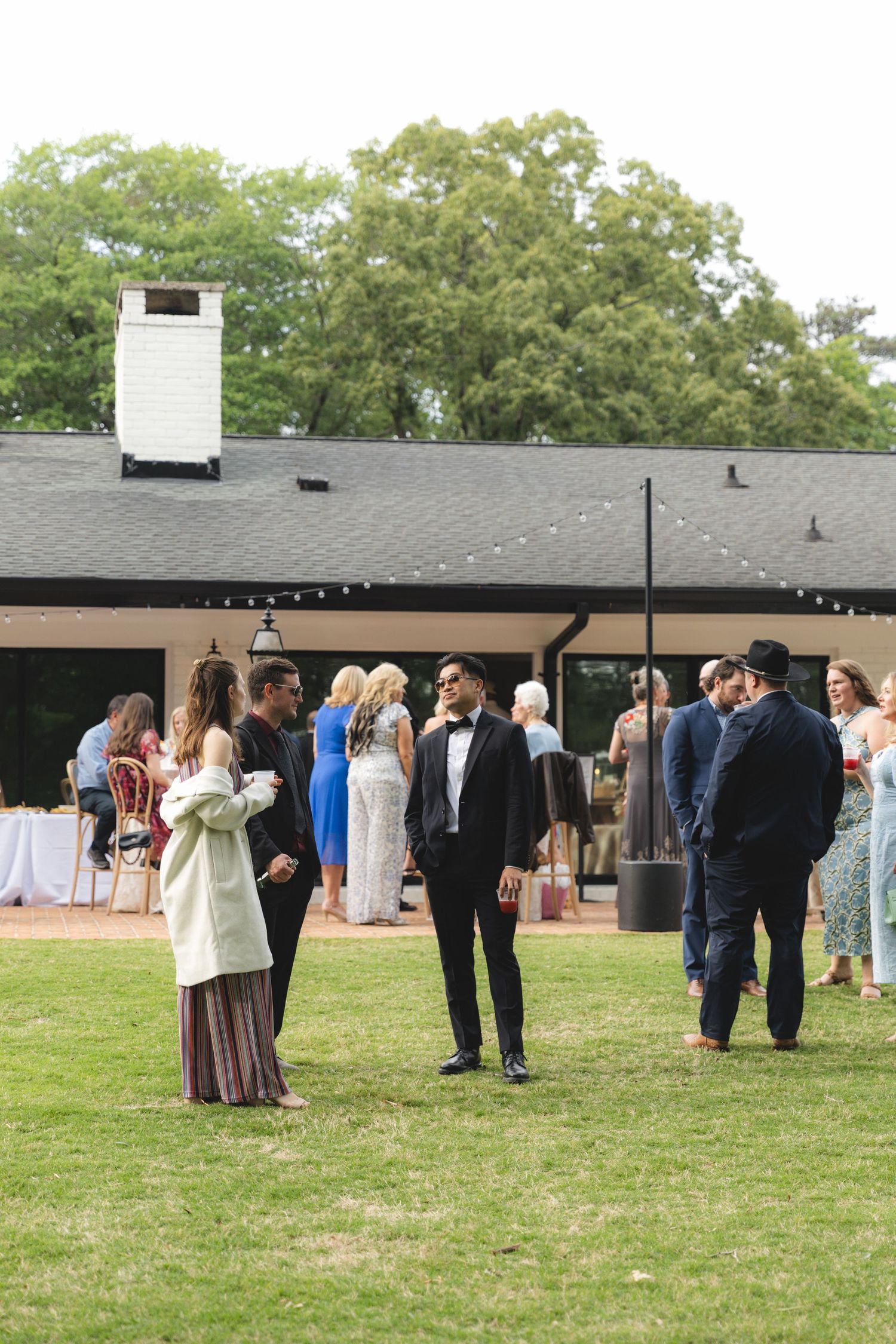
Cocktail hour is also gold for documentary wedding photography. Everyone has just watched you get married, drinks are flowing, people who haven't seen each other in years are hugging, and your college friends are meeting your childhood friends. There is so much happening naturally, which is exactly what I want to photograph.
If candid wedding photos are important to you, give yourself the opportunity to actually participate in those moments.
7) Build Space Into Your Reception Timeline
Not every five minutes of your reception needs an activity. When you stack an entrance, first dance, welcome speech, dinner, toasts, parent dances, cake cutting, outfit change, private dance, and exit back-to-back, it can start to feel like you're moving through a checklist instead of having a party.
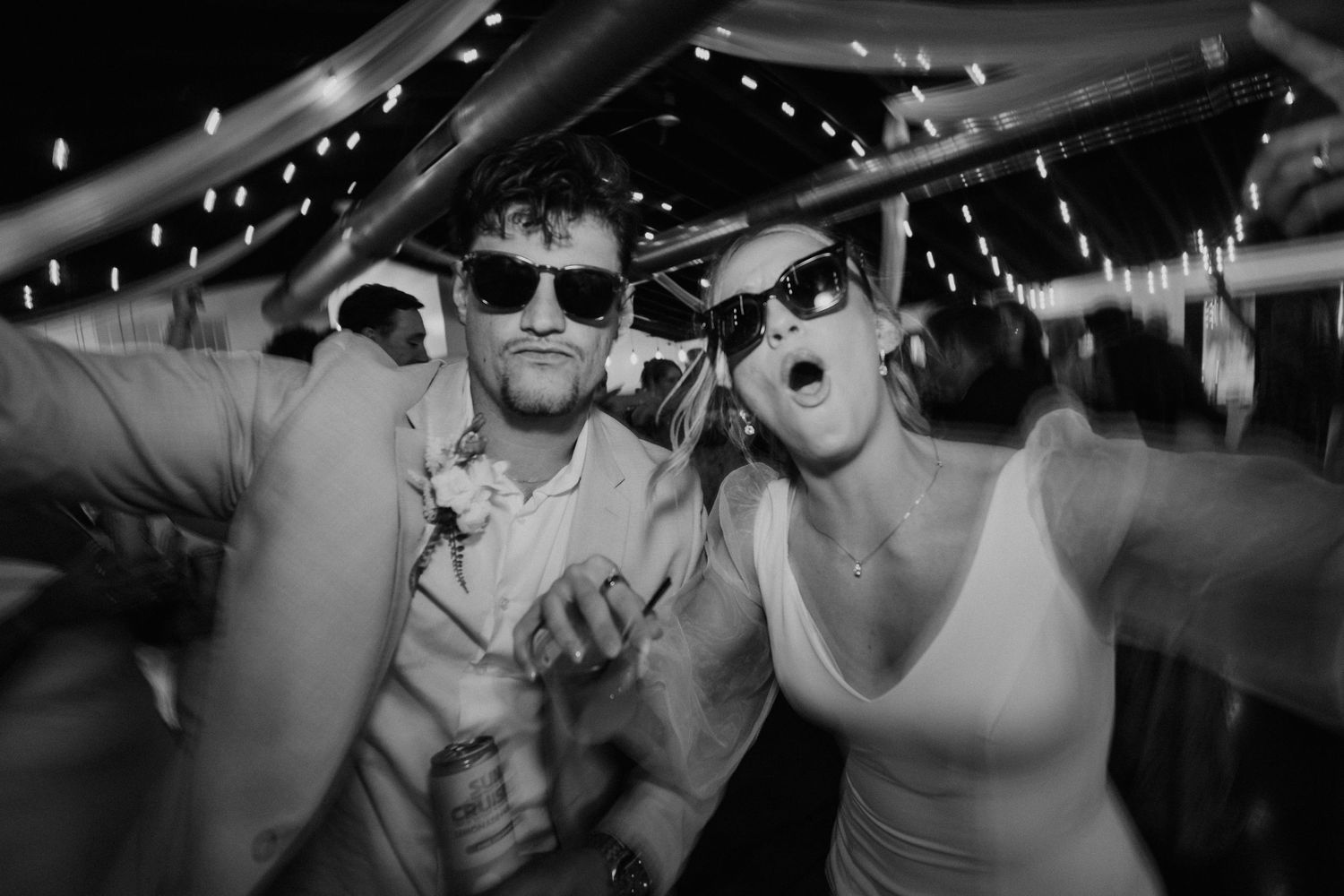
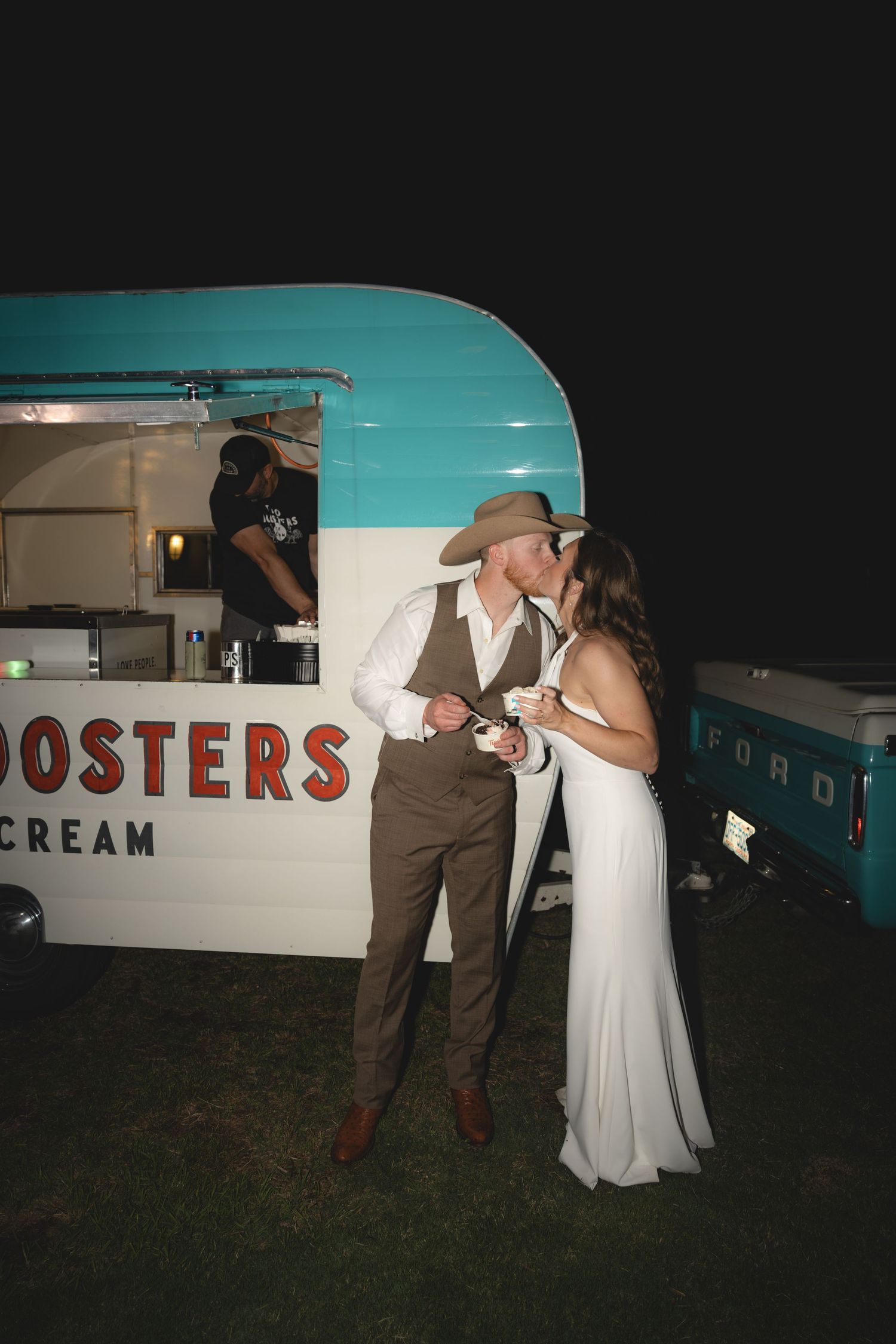
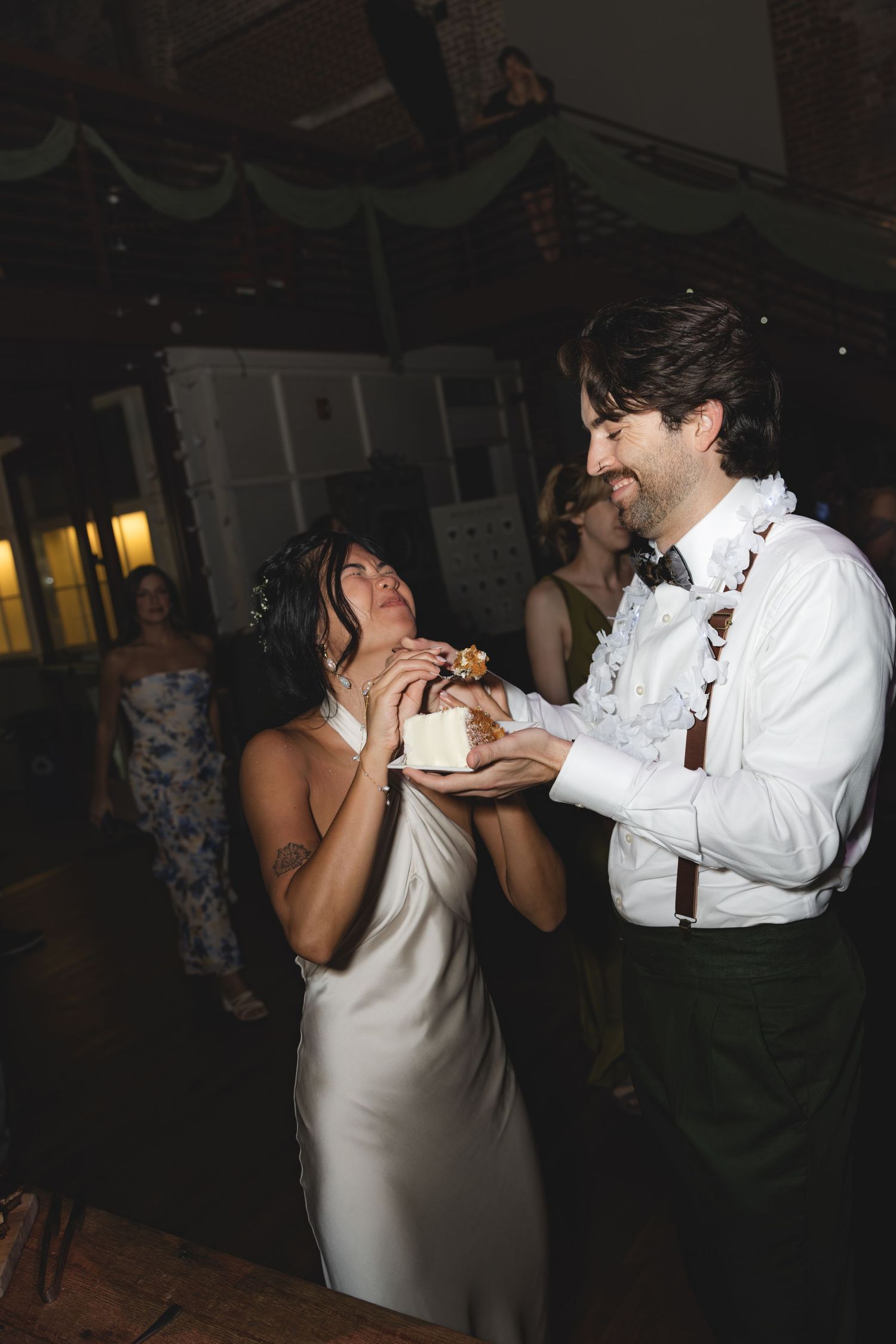
Some of my favorite photographs happen in the spaces between the "important" events. It's your parents talking at their table, your friends laughing over dinner, someone sneaking another dessert, your flower girl falling asleep on a chair, or your partner reaching over to squeeze your hand.
When your reception isn't constantly moving from one scheduled event to another, you and your guests have more opportunities to simply enjoy being together. That's where documentary wedding photography thrives.
8) Don't Feel Like You Have to Perform for the Camera
This might be the biggest one: you don't have to constantly wonder whether you're doing something worth photographing. You don't have to look at me every time you notice my camera, and you definitely don't need to stop what you're doing and smile.
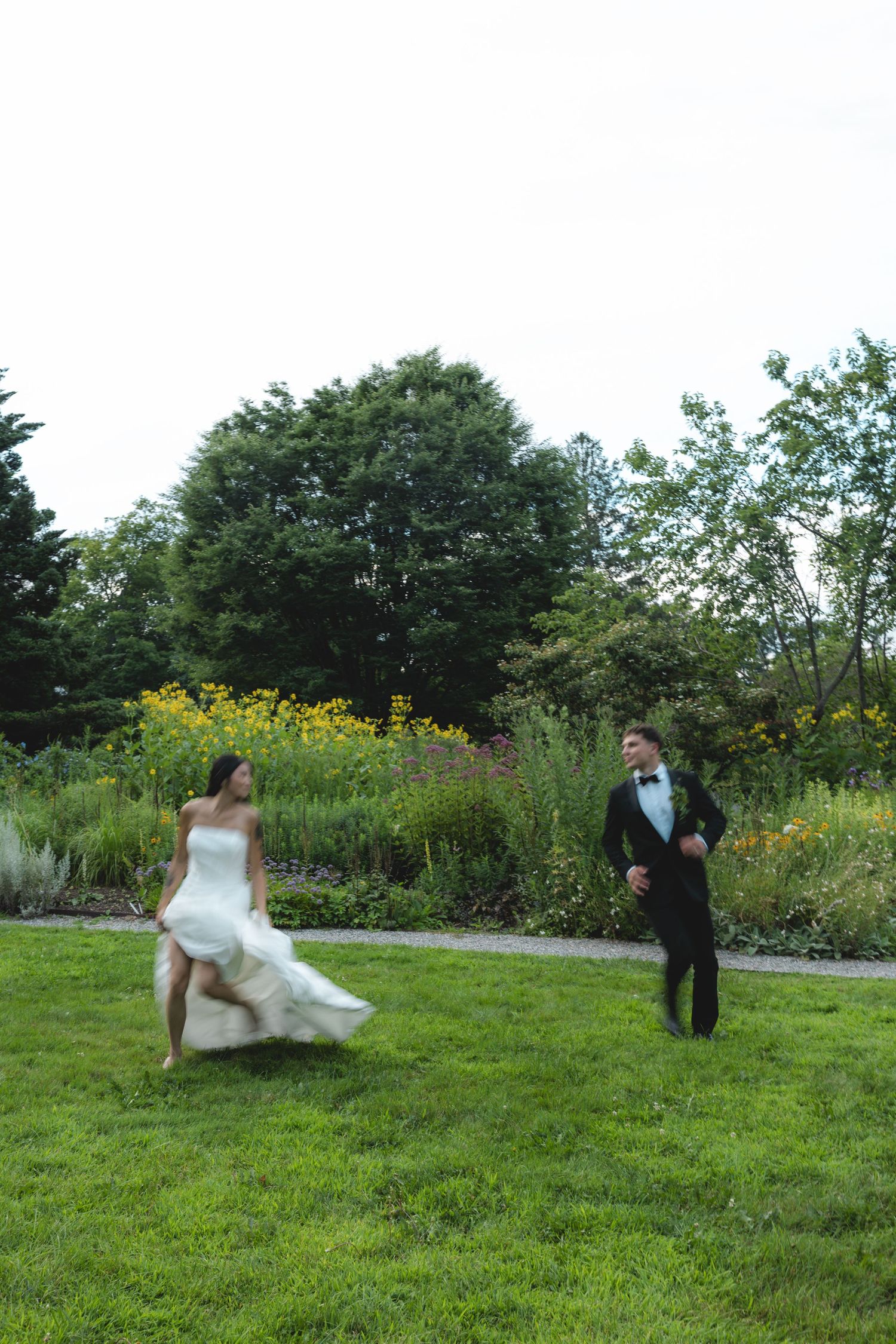
My job as a documentary wedding photographer is to anticipate moments, pay attention to the people around you, and tell the story without requiring you to perform it for me. There will absolutely be moments when I'll step in and give direction, especially during portraits when we're working with beautiful light or creating something more editorial, but for most of your wedding day, you get to be at your wedding. I'll take care of remembering it.
9) Choose Vendors You Trust
Your photographer isn't the only person who affects the atmosphere of your wedding day. A planner who keeps things moving without making you feel rushed, a hair and makeup team that stays on schedule, a DJ who understands the energy you want, and a photography team you feel comfortable around can completely change your experience.
Hire people whose work you love, communicate what matters to you, and then let them do what you hired them to do. You shouldn't spend your wedding day managing your wedding.
10) Plan for the Experience, Not Just the Photos
Pinterest can be an amazing tool for figuring out what you're drawn to visually, but it can also make you feel like your wedding needs to be a 12-hour production designed around recreating photographs you've already seen.
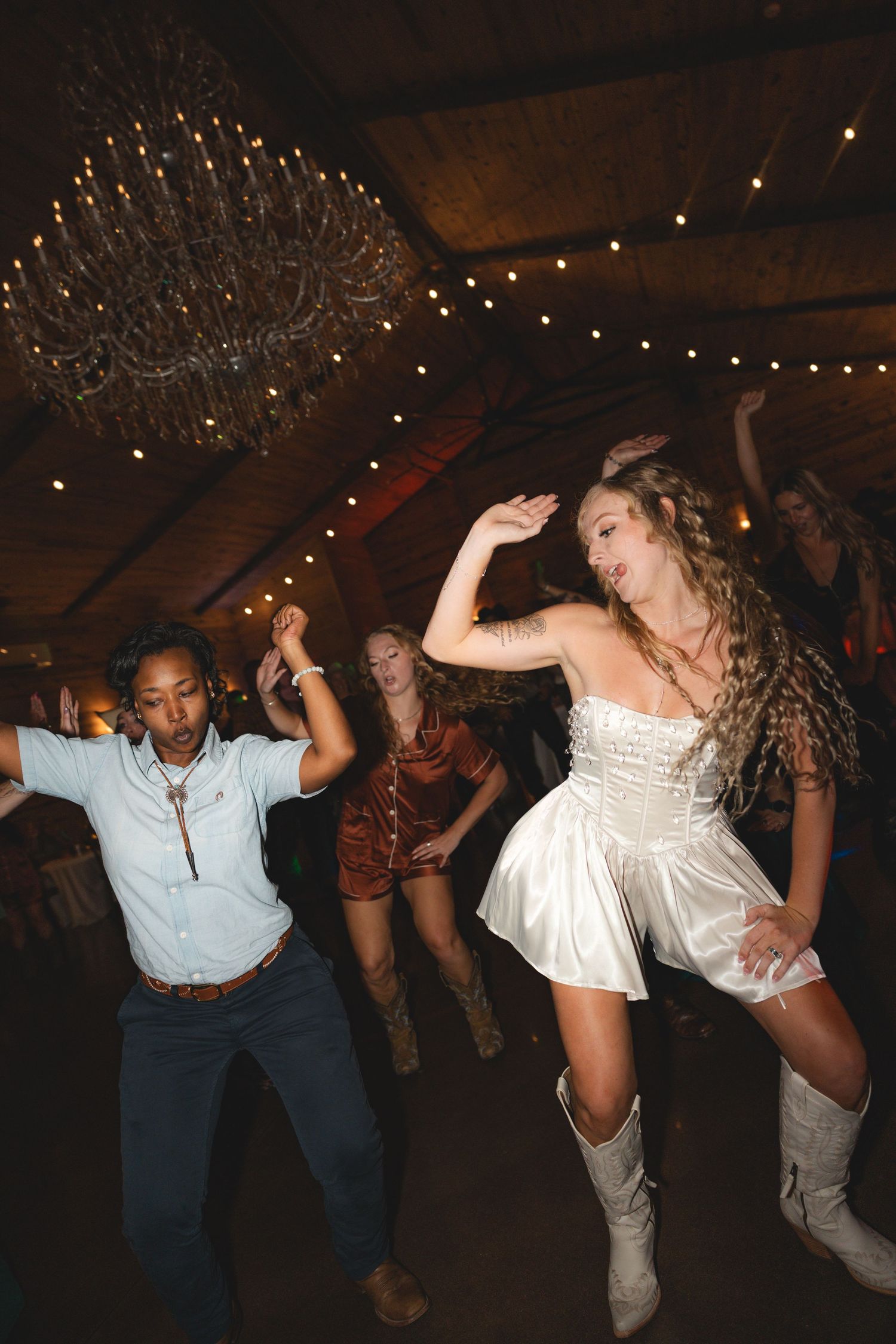
Instead of asking, "What will this look like in photos?" start asking, "What do we want this part of our wedding day to feel like?" Maybe you want a quiet morning together before getting ready separately, dinner outside with everyone you love at one long table, or ten minutes alone after the ceremony to process the fact that you just got married. Maybe you want your reception to turn into an absolute party.
Plan those experiences first. The photographs will come from them.
*
Documentary Wedding Photography Doesn't Mean Zero Direction
There's a misconception that documentary wedding photography means your photographer simply stands in a corner with a camera and never interacts with you. That's not how I approach it.
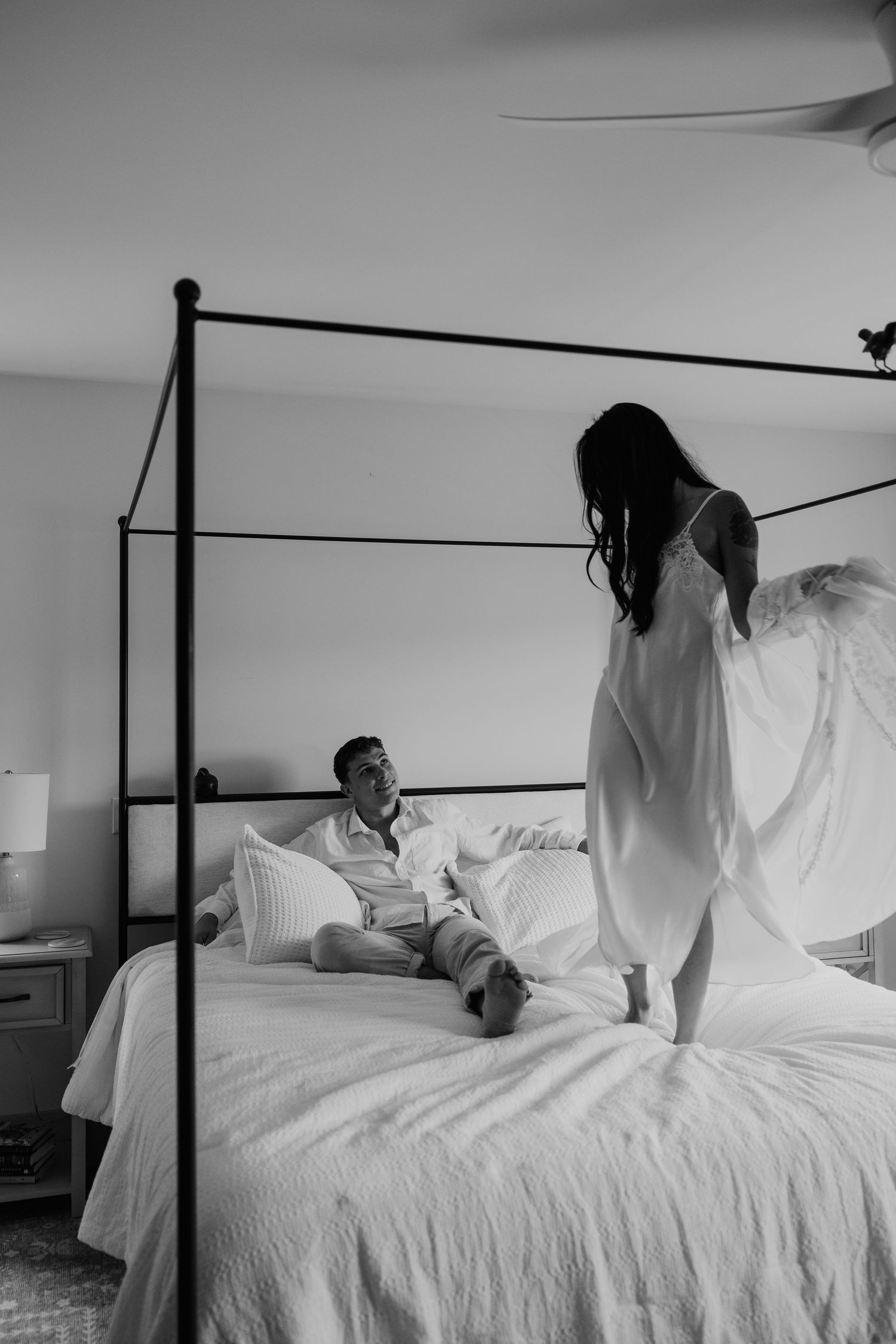
My work lives somewhere between documentary and editorial wedding photography. During the naturally unfolding parts of your wedding day, I'm watching rather than orchestrating. I'm looking for emotion, relationships, movement, tiny details, and moments you might not even realize are happening.
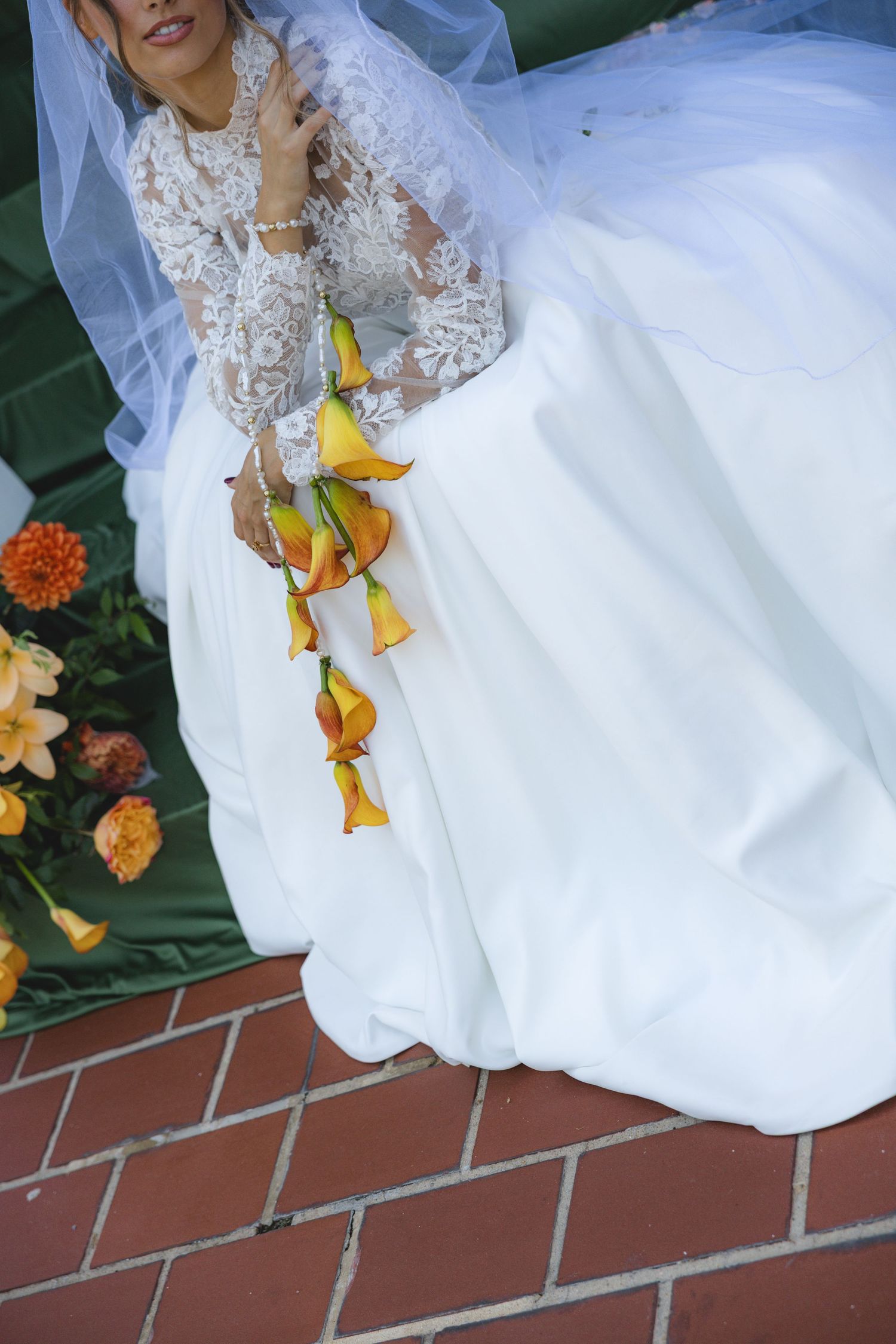
Then, when it's time for portraits, I'll give you enough direction that you don't have to wonder what you're supposed to be doing. We'll chase beautiful light, create something artistic, and take the photograph your grandmother is going to frame. Then I'll send you back to your party.
The goal isn't to avoid posed photographs entirely. It's to make sure photography doesn't take over your wedding day.
Your Wedding Photos Should Feel Like Your Wedding
Twenty years from now, I don't just want you to remember what your flowers looked like. I want you to remember your mom's face when she saw you dressed for the first time, the way your partner looked at you during the ceremony, the friend who absolutely lost it during the speeches, and what it felt like to have all of your favorite people in the same place.
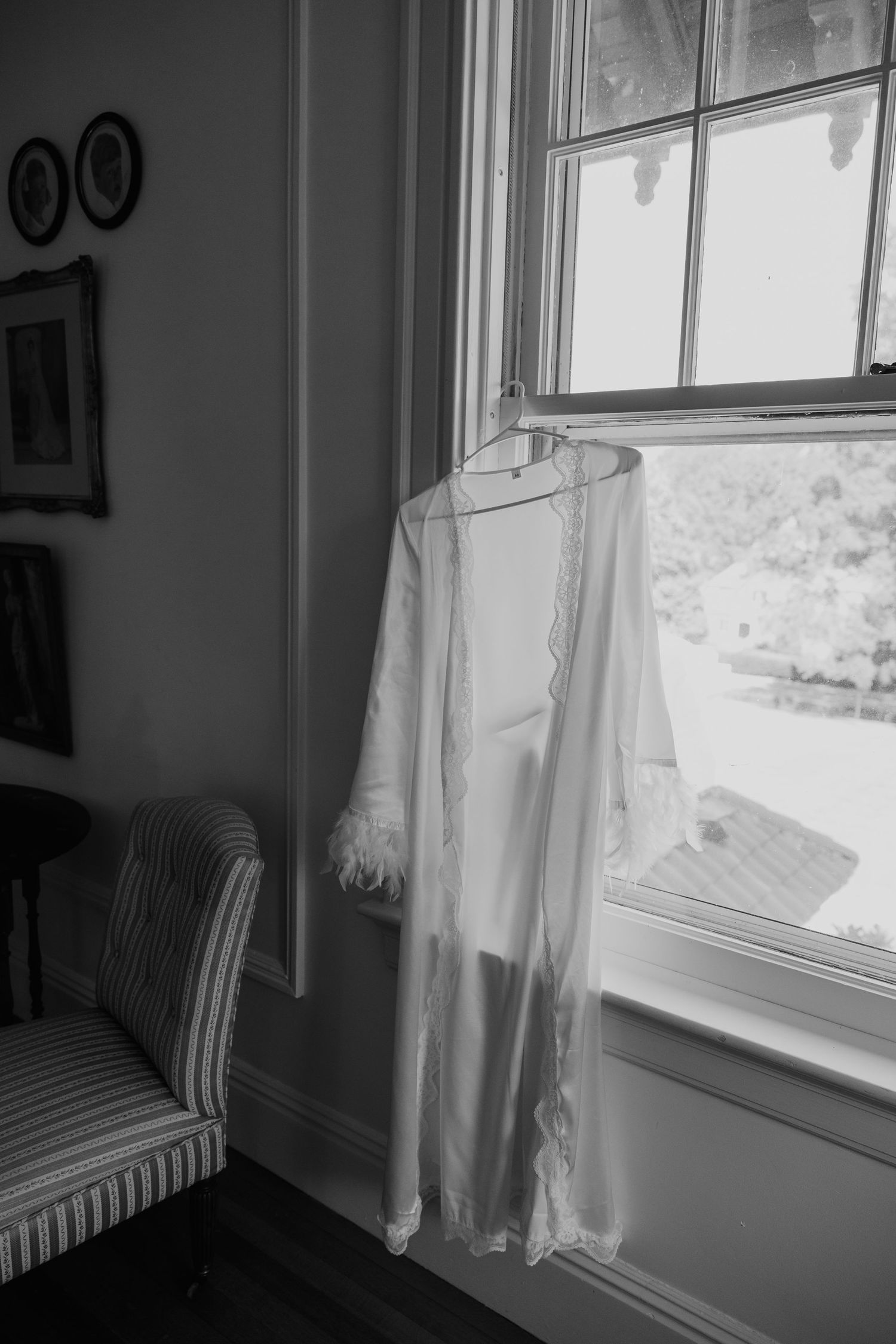
Your gallery should include the beautiful details and portraits, but it should also preserve the people, the chaos, the quiet parts, and all of the little things you didn't know you'd want to remember.
The photographs don't need to make your wedding look like somebody else's wedding. They should make you remember yours.
Your Photos Should Feel Like Your Wedding
If you're planning a wedding in Raleigh, Durham, Chapel Hill, or somewhere completely different and you're looking for photography that combines candid storytelling, 35mm film, and an editorial perspective, that's exactly what I love to create.