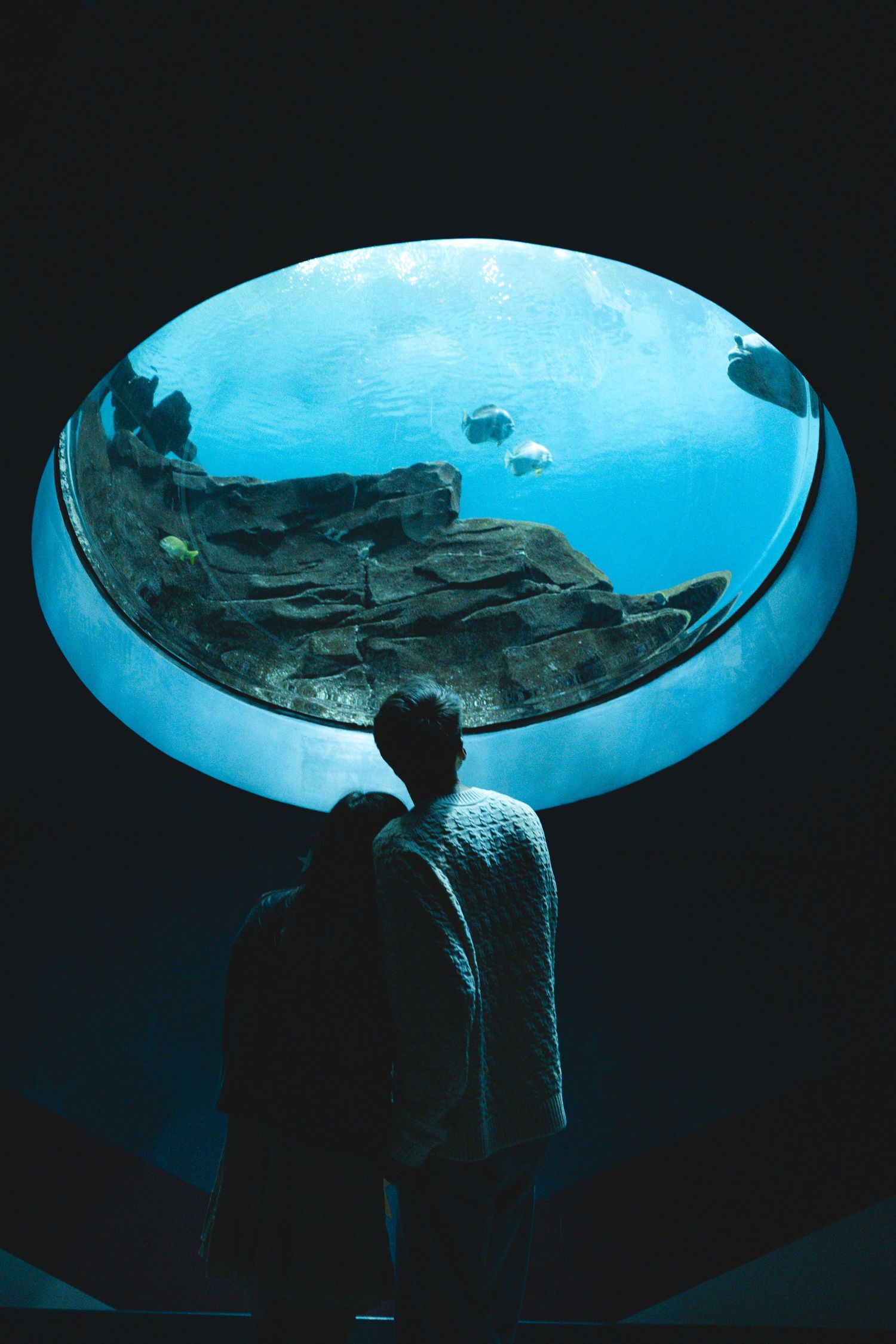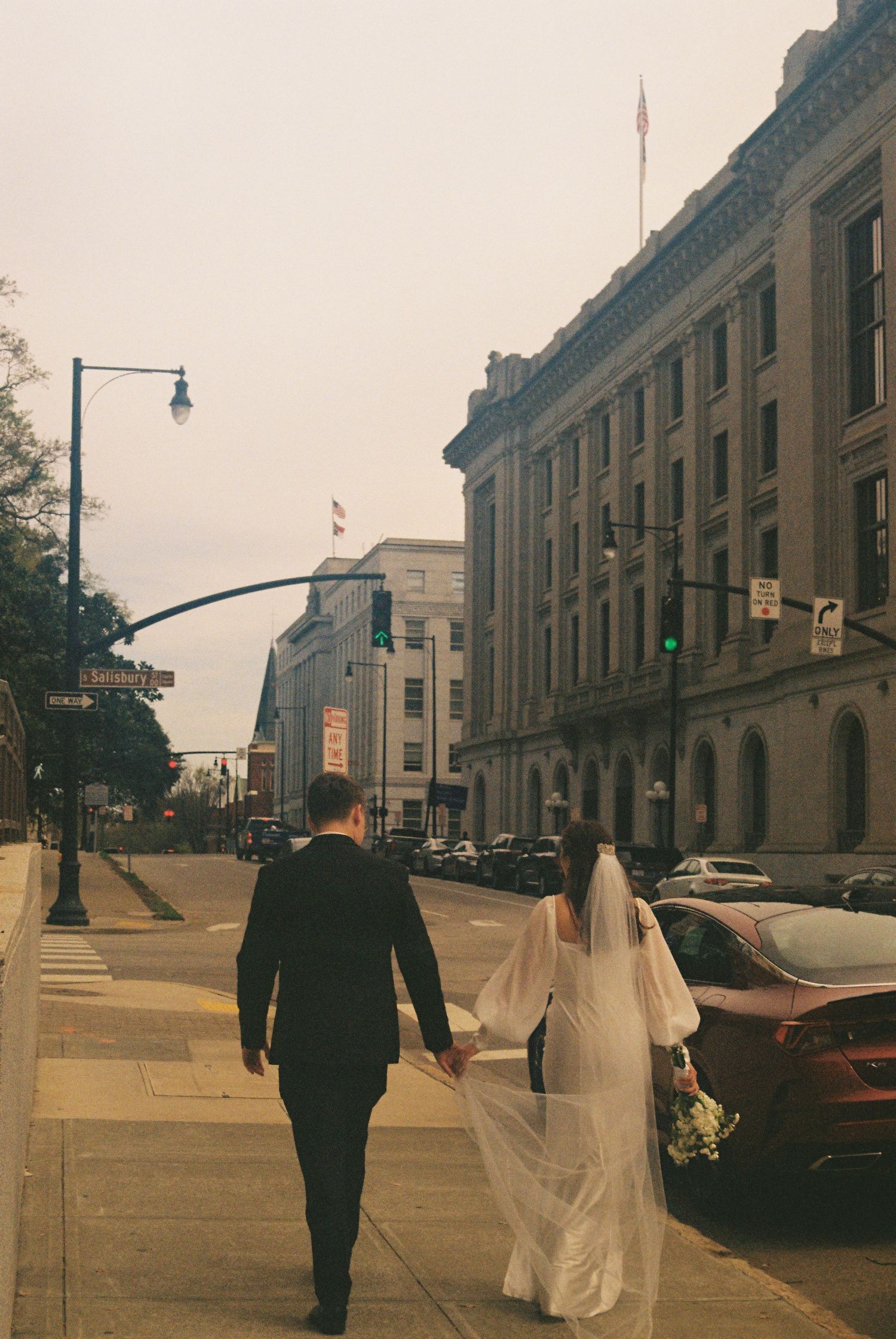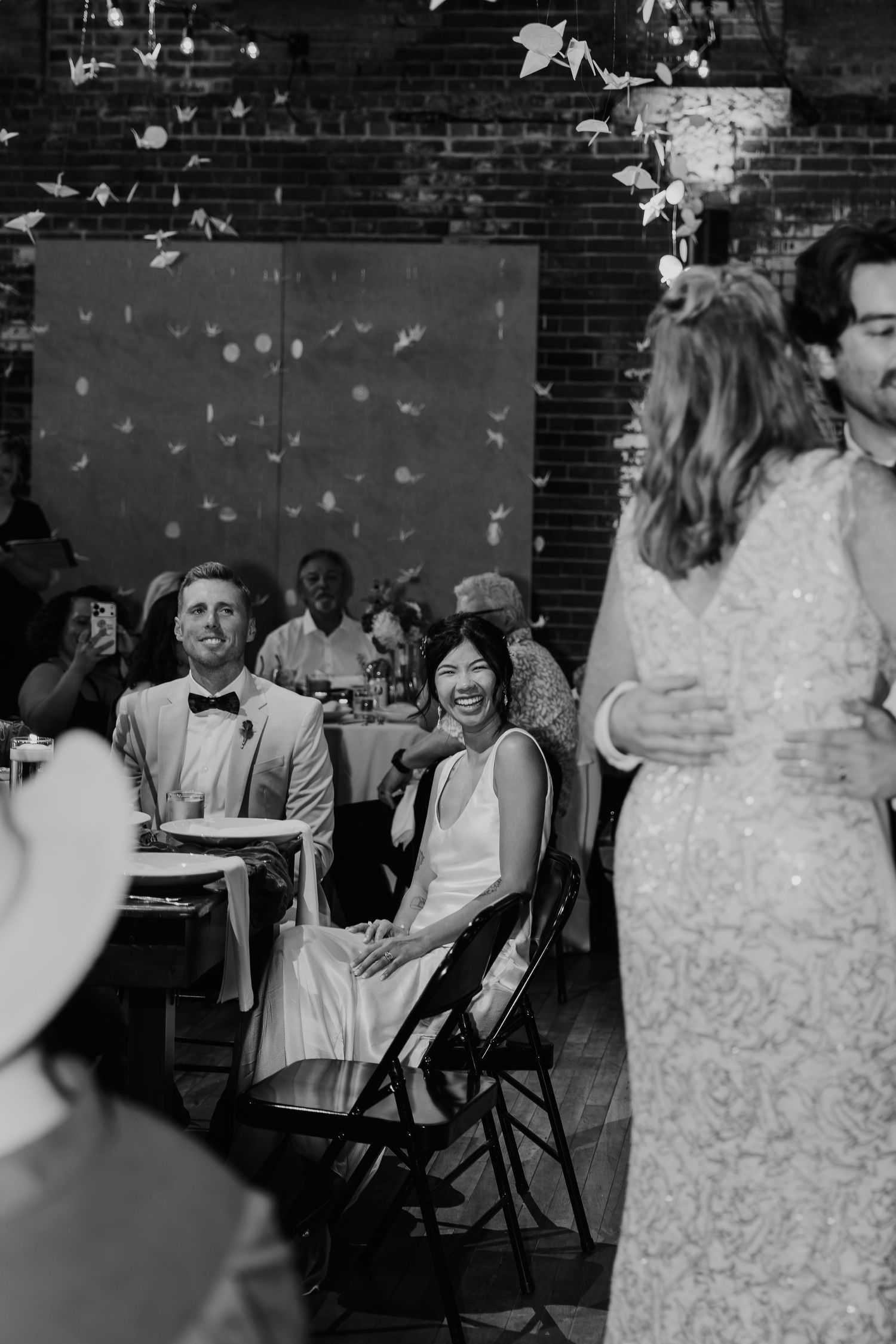
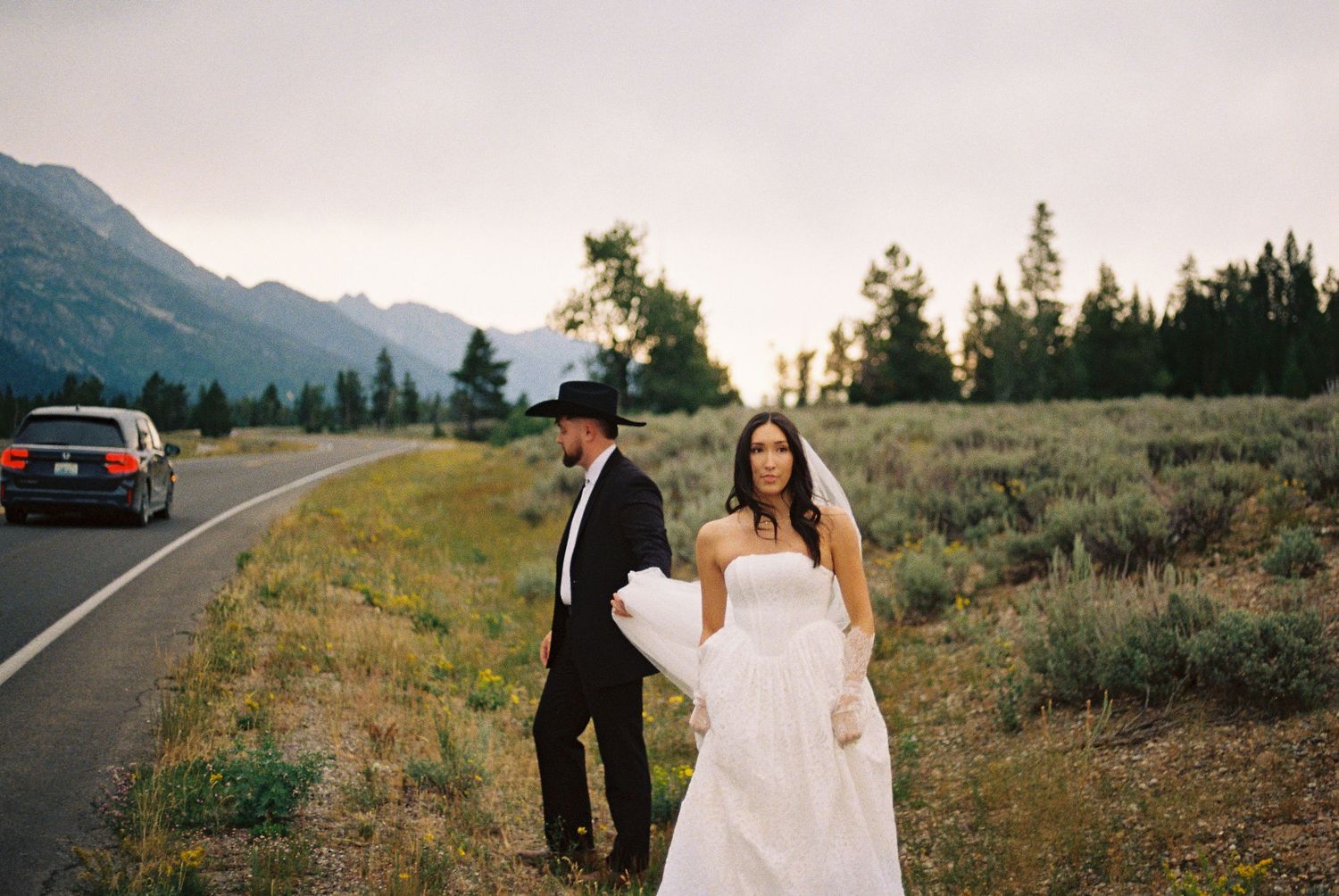
A Guide to 35mm Film Wedding Photography: Everything You Need to Know
If you've spent any time looking at wedding photography lately, you've probably noticed film making its way into more and more galleries. Grainy black-and-white photographs, imperfect flash photos from the dance floor, soft portraits that somehow feel like they were pulled out of an old family album—35mm film has become one of my favorite ways to photograph weddings.
But if you're considering adding film photography to your wedding day, you might also be wondering what that actually means. Is your entire wedding photographed on film? Is it different from a film-inspired editing style? Will you still get digital photos? Why does it cost more? And what happens if a film photo doesn't turn out perfectly?
As a Raleigh wedding photographer who photographs weddings using both digital and 35mm film, I think the magic of film comes from embracing exactly what makes it different. Here's what you should know before deciding whether 35mm wedding photography belongs in your gallery.
What Is 35mm Film Wedding Photography?
35mm film wedding photography means your photographer is using an actual film camera and physical rolls of film to photograph portions of your wedding day.
Instead of immediately recording a digital image onto a memory card, the photograph is captured onto film. Once the wedding is over, those rolls are sent to a professional film lab where they're developed and scanned. The scans are then delivered alongside the digital photographs in your wedding gallery.
For my weddings, film isn't meant to replace digital photography. I use the two together.
Digital gives me the speed, flexibility, and reliability I need to document an entire wedding day, while film gives me another way to tell the story. Throughout the day, I'll switch between my digital and film cameras depending on the light, moment, and photograph I want to create.
The final gallery becomes a blend of both.
What Makes Film Look Different From Digital?
There's a reason people are drawn to film even if they can't immediately explain why.
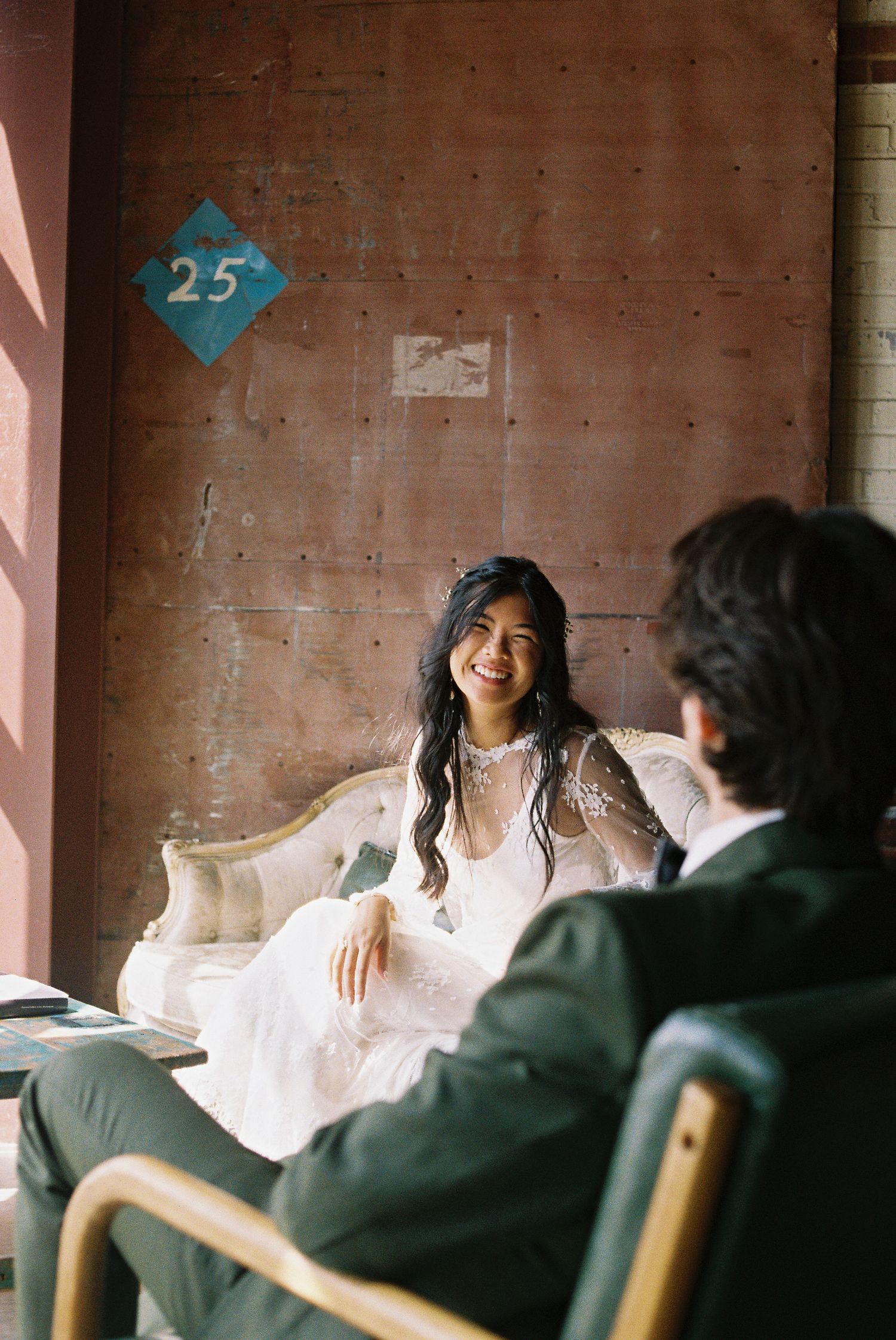
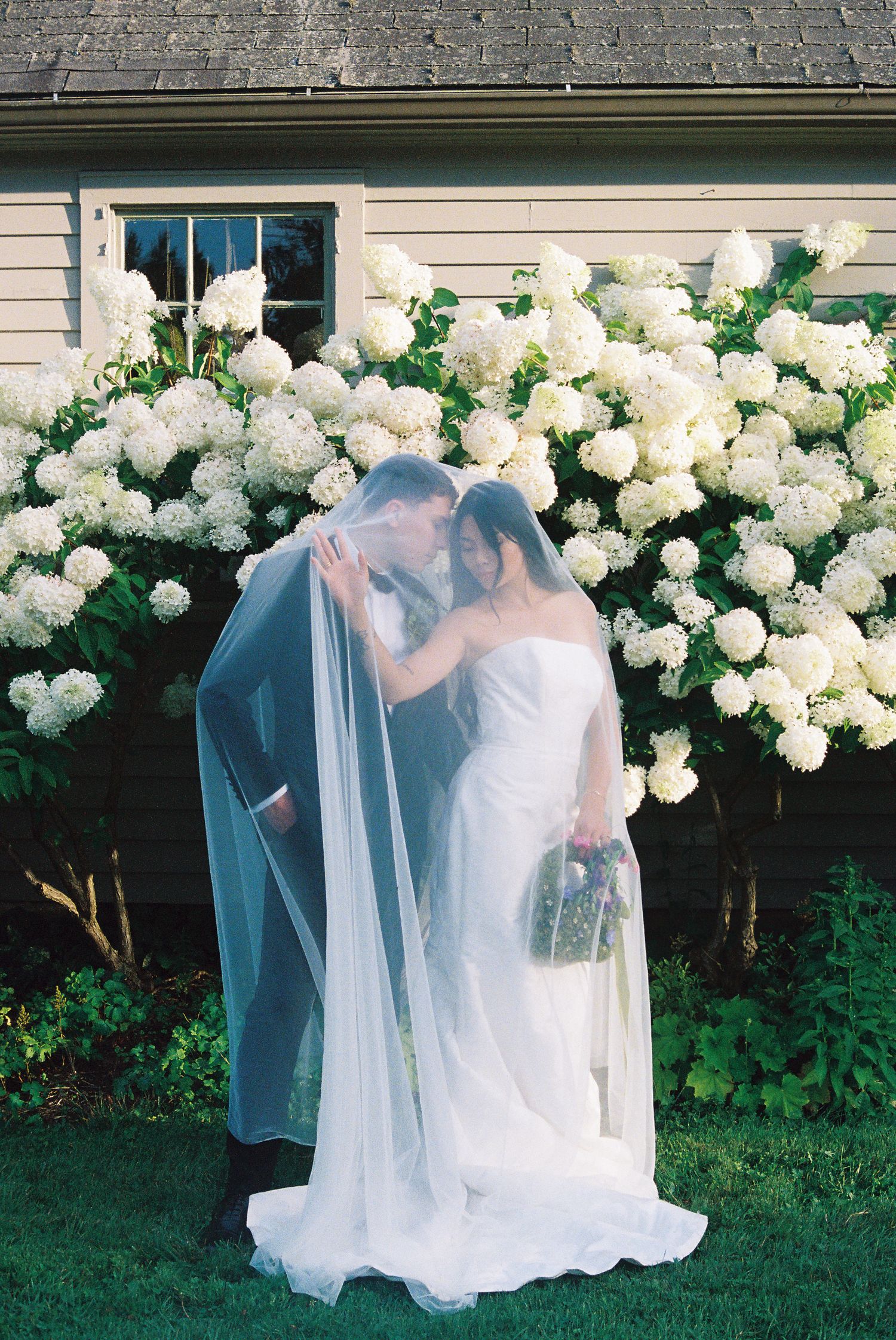
Film has its own texture, grain, color, and way of handling light. It can feel softer and less perfect than digital photography, and that's part of what makes it beautiful.
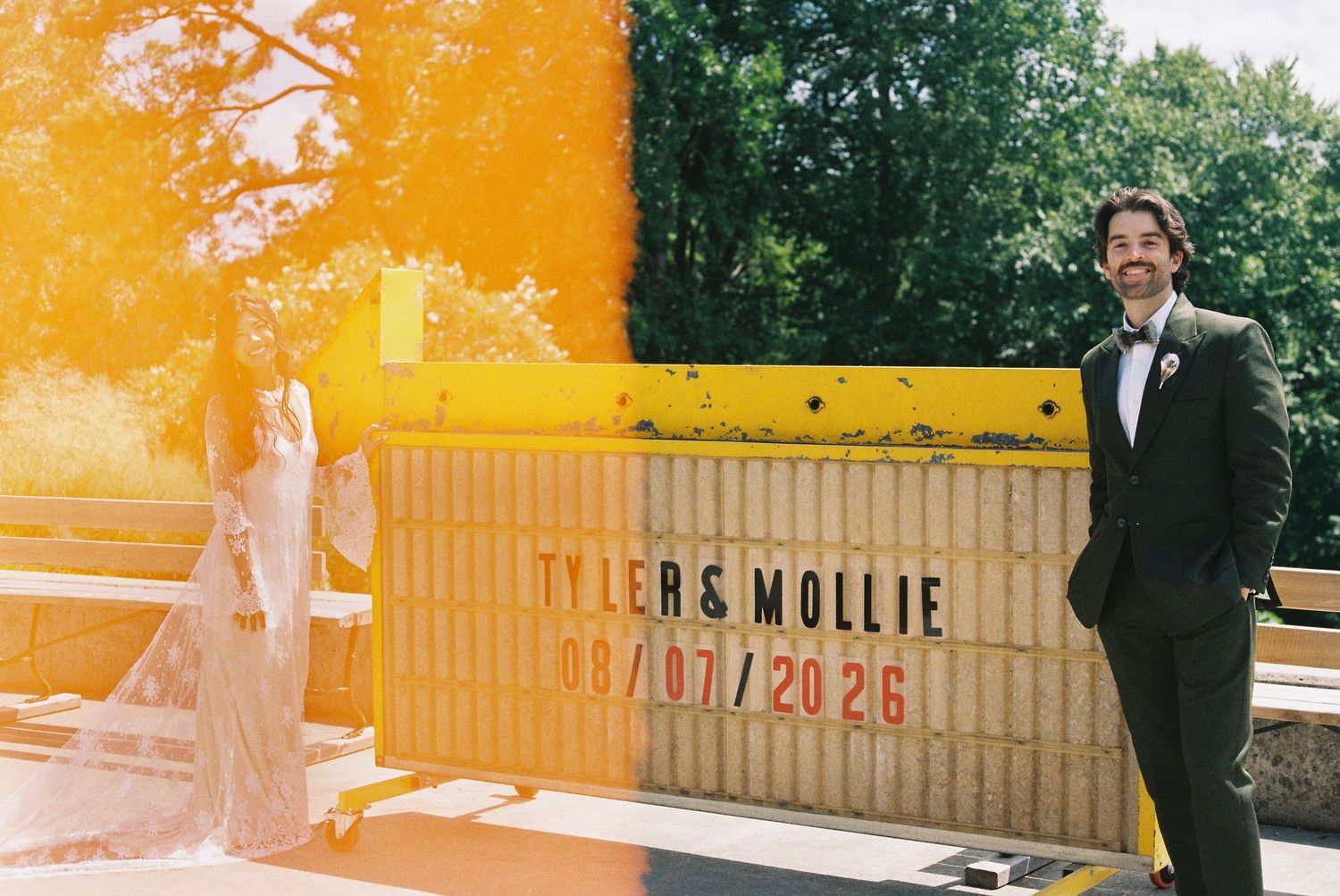
Digital cameras are incredibly precise. Film has more unpredictability built into the process. You might get a little extra grain, motion blur, a light leak, or colors that render differently than expected. Two frames taken seconds apart can feel slightly different from each other.
Those imperfections can make film photographs feel more like memories than perfectly polished images.
It's also why I don't think film should simply be treated as another photography trend. Long before 35mm wedding photography started filling Pinterest boards again, film was how generations of families documented their lives. There's something really special about creating wedding photographs using the same medium that may have documented your parents' or grandparents' weddings.
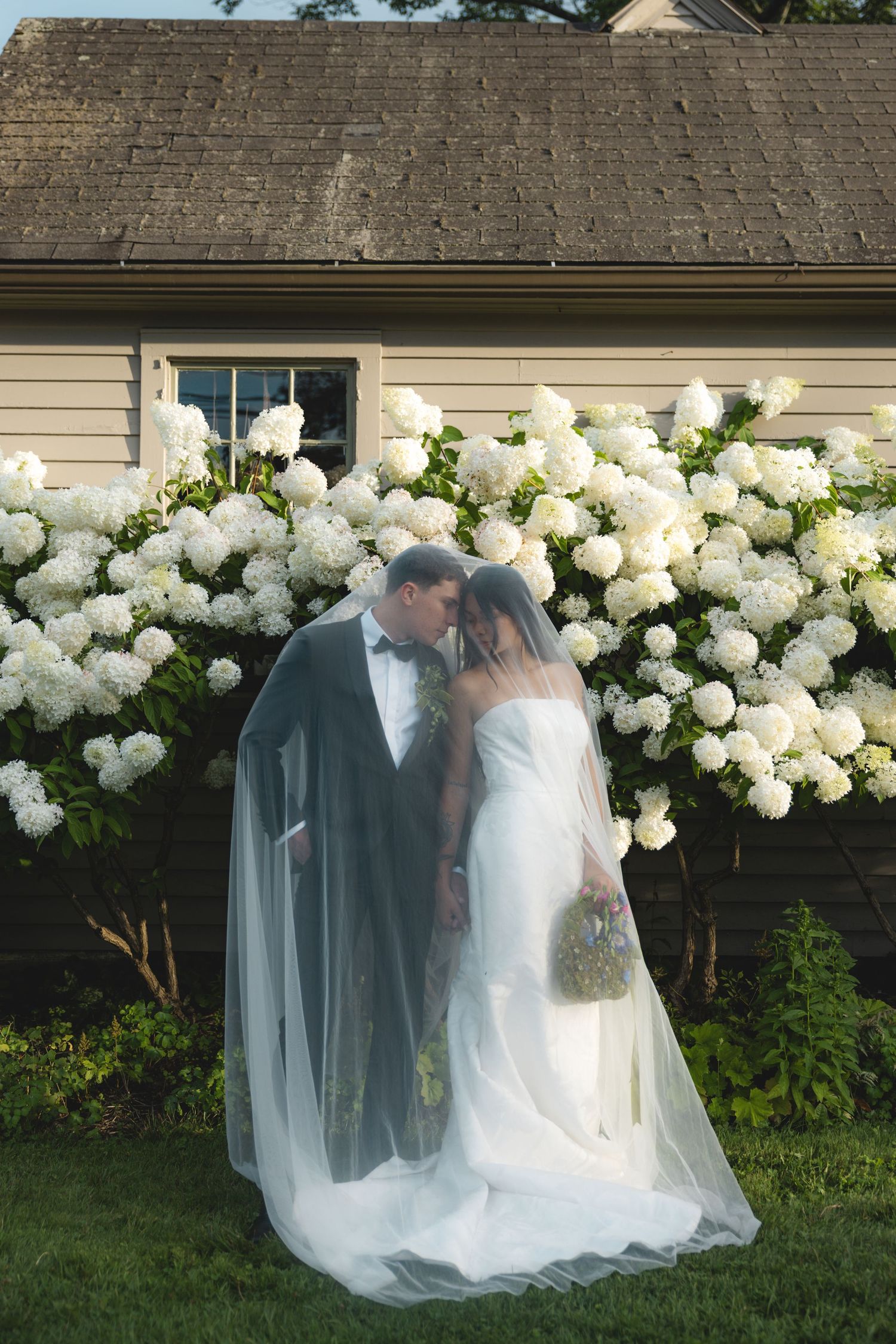
Digital
Film
Is 35mm Film the Same as a Film-Inspired Editing Style?
No, and this is an important distinction if you're specifically looking for a film wedding photographer.
Digital photographs can absolutely be edited to mimic characteristics commonly associated with film. There are presets specifically designed around certain film stocks, and many photographers use film as inspiration for their digital editing. There's nothing wrong with that, but it isn't the same as actually photographing on film.
True 35mm wedding photography involves loading physical film into a camera, photographing a limited number of exposures, sending the rolls to a lab, developing the negatives, and scanning those photographs digitally.
If having real film photography is important to you, it's worth asking potential photographers whether they're actually shooting film or creating a film-inspired look digitally.
Why I Photograph Weddings on Both Film and Digital
I don't think film and digital need to compete with each other.
There are parts of a wedding day when digital makes the most sense. During a ceremony, for example, moments happen quickly and only once. Digital allows me to react immediately and photograph those moments without worrying about how many frames are left on a roll.
Film naturally slows things down.
A standard roll of 35mm film usually gives me around 36 exposures. That limitation makes every frame more intentional. I'm thinking about the light, composition, movement, and moment before pressing the shutter.
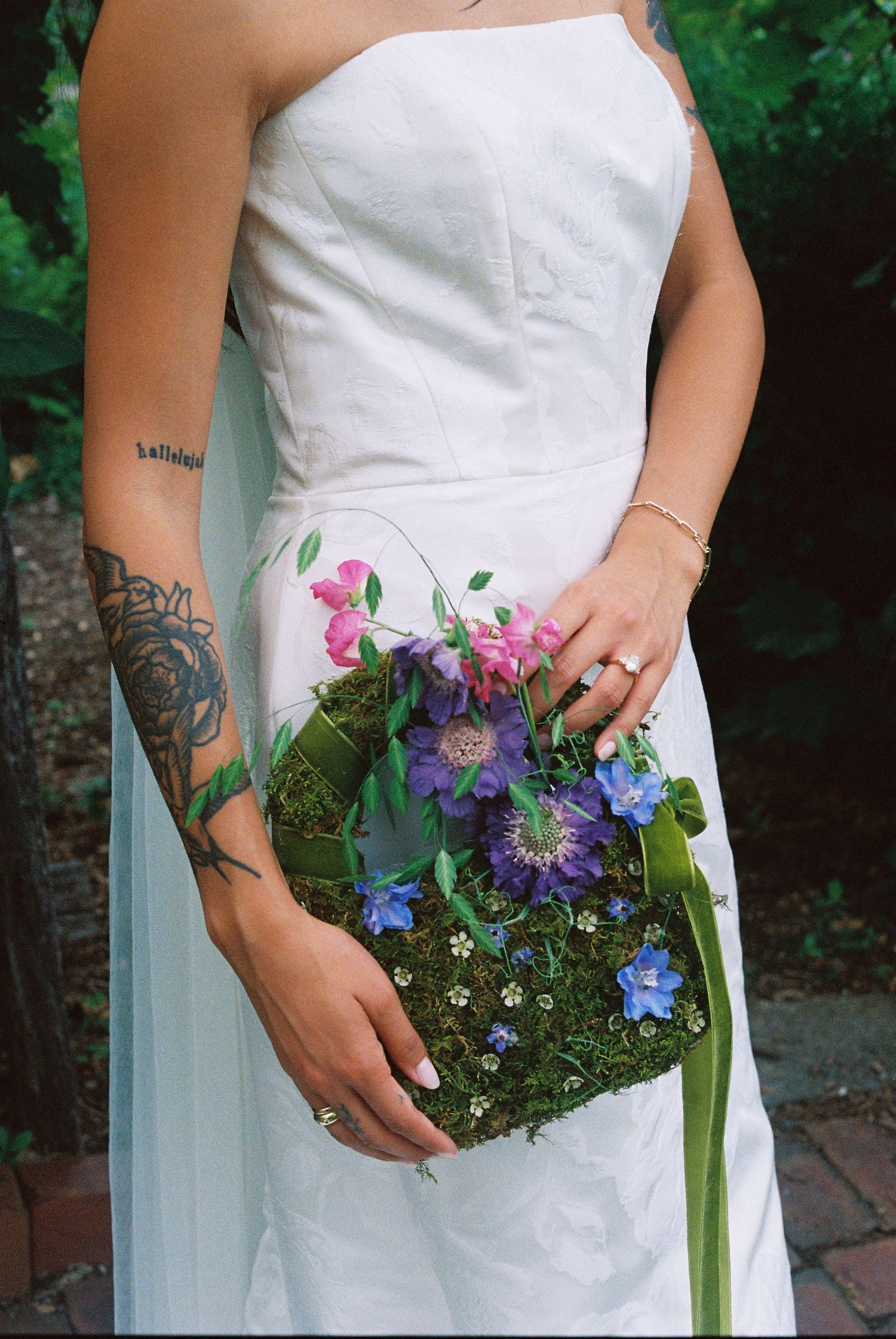
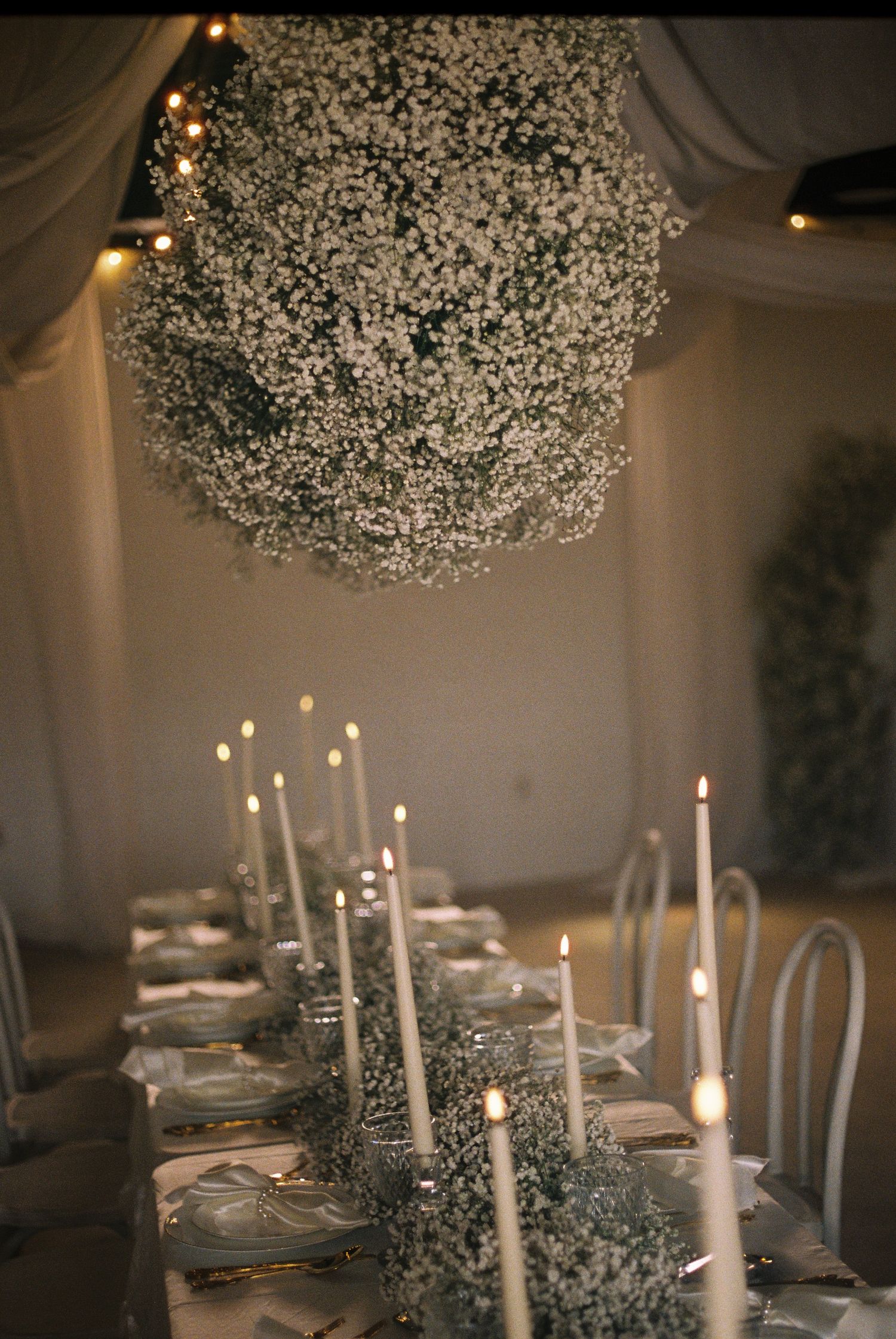
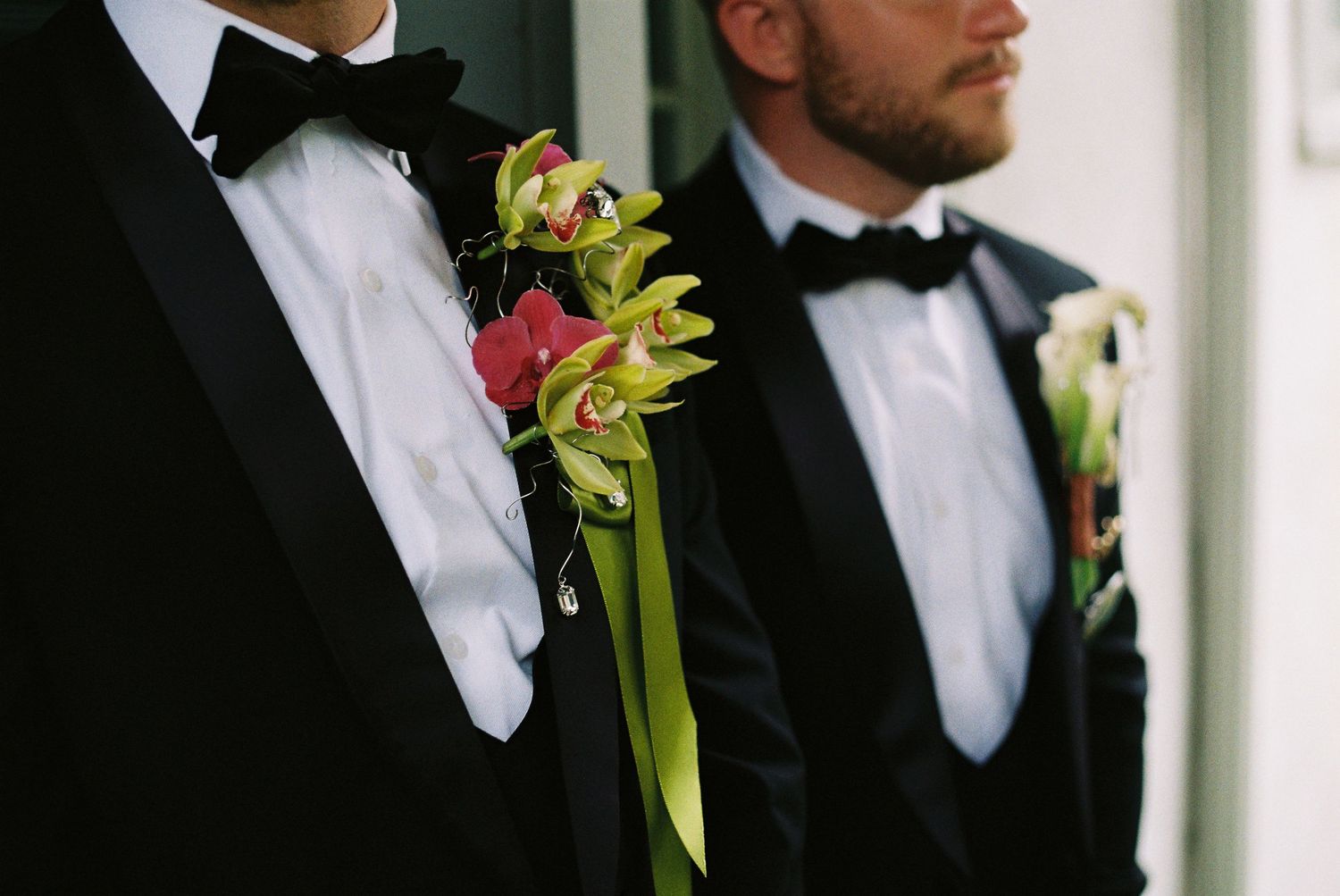
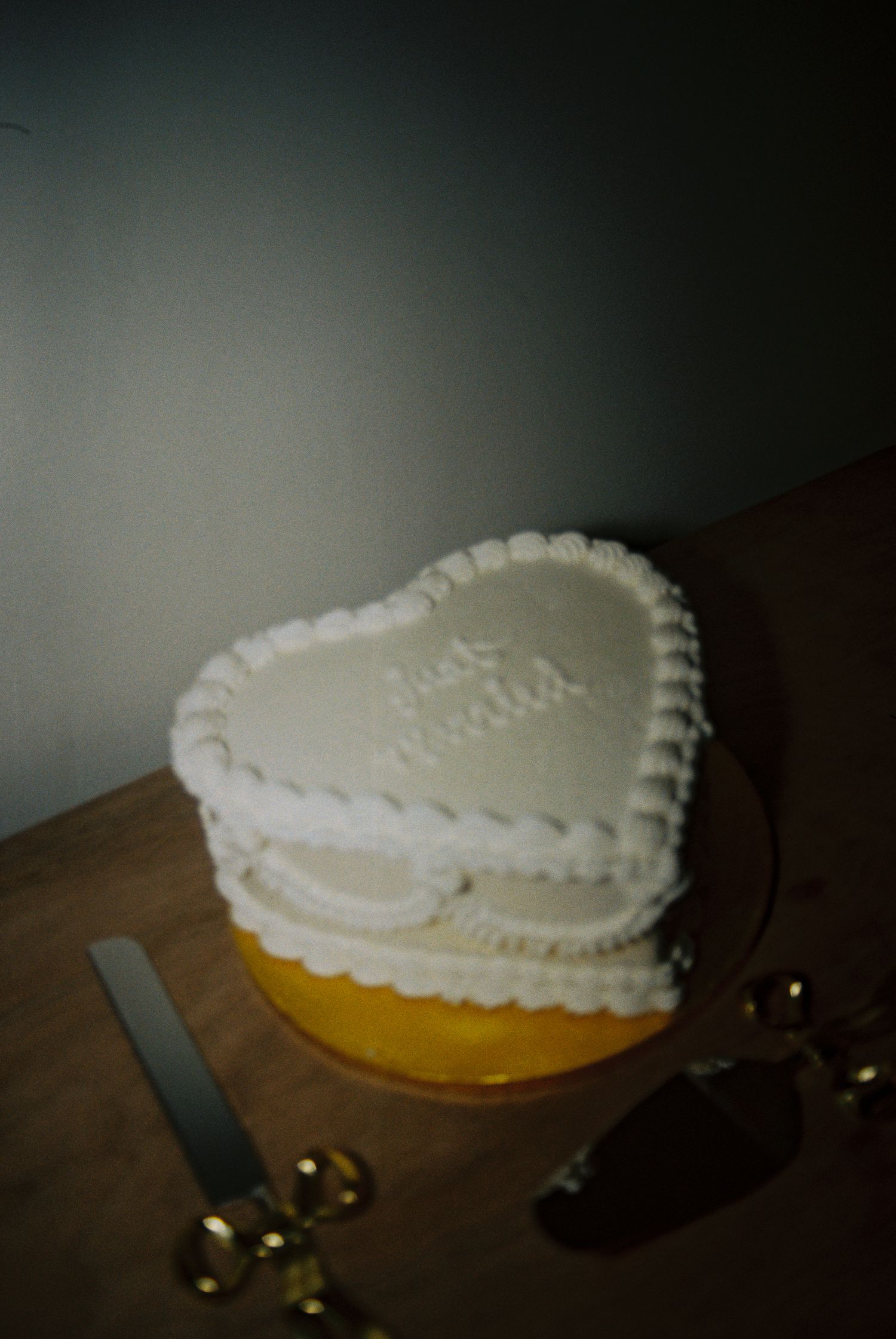
That makes film especially beautiful for portraits, getting-ready moments, cocktail hour, reception details, direct-flash photographs, and the quieter interactions happening throughout the day.
Using both lets me have the reliability and flexibility of digital while still creating the imperfect, nostalgic photographs I love from film.
What Parts of a Wedding Day Look Best on Film?
Honestly, film can be beautiful throughout an entire wedding day, but there are certain moments where I especially love reaching for it.
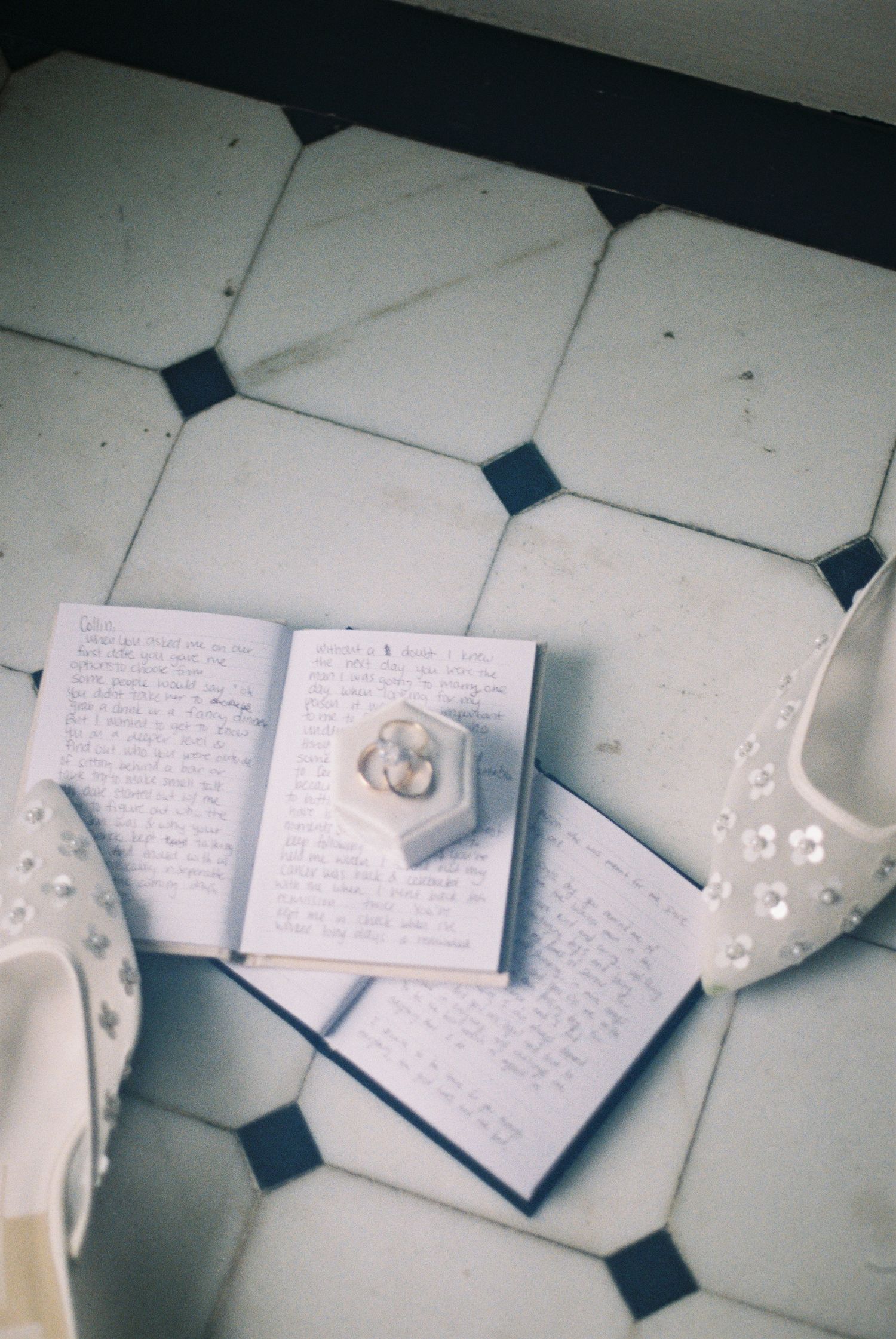
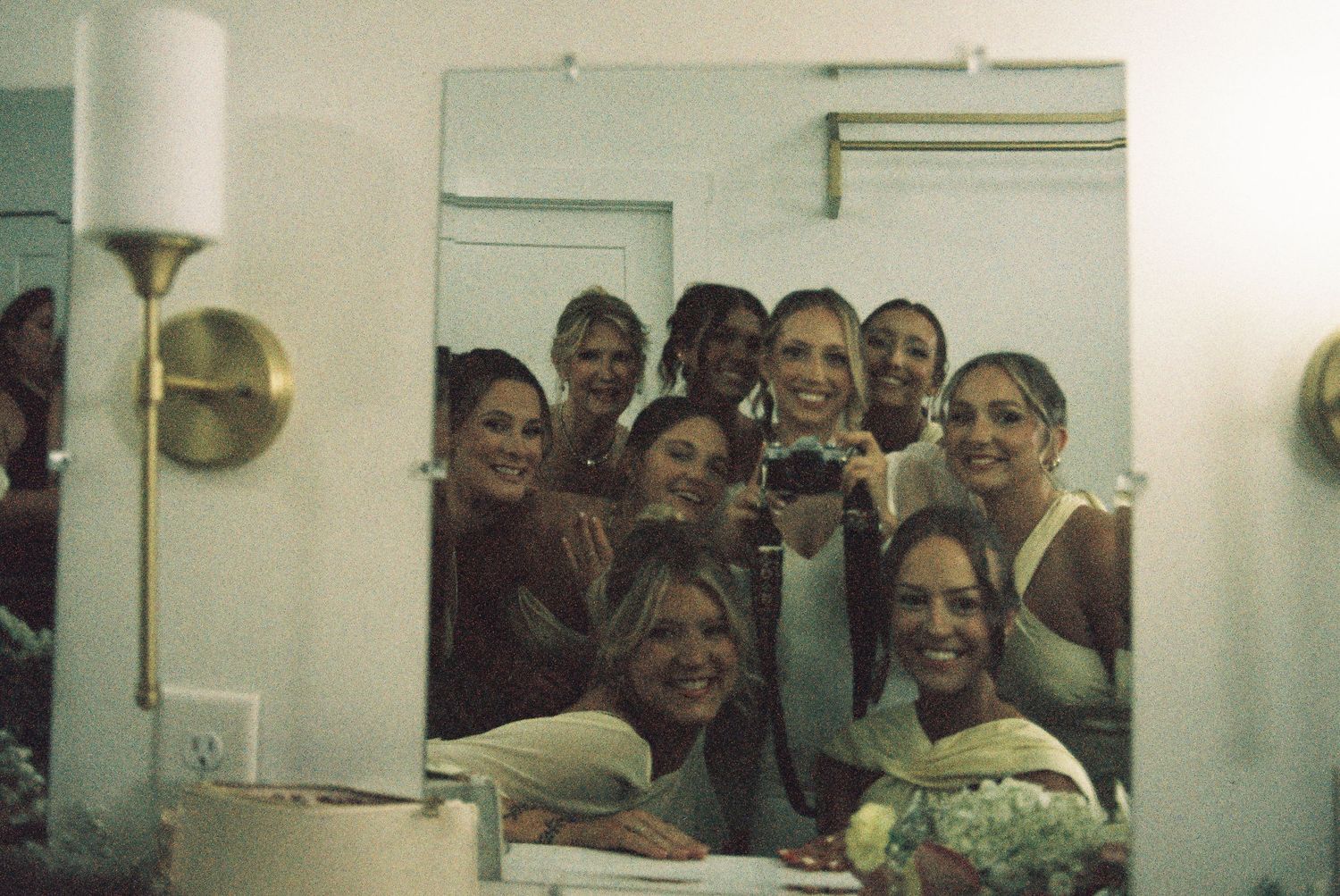
Getting ready is one of them. There is something about a slightly grainy photograph of your mom buttoning your dress, your friends sitting around the hotel room, or the remnants of breakfast and champagne on the table that feels incredibly nostalgic.
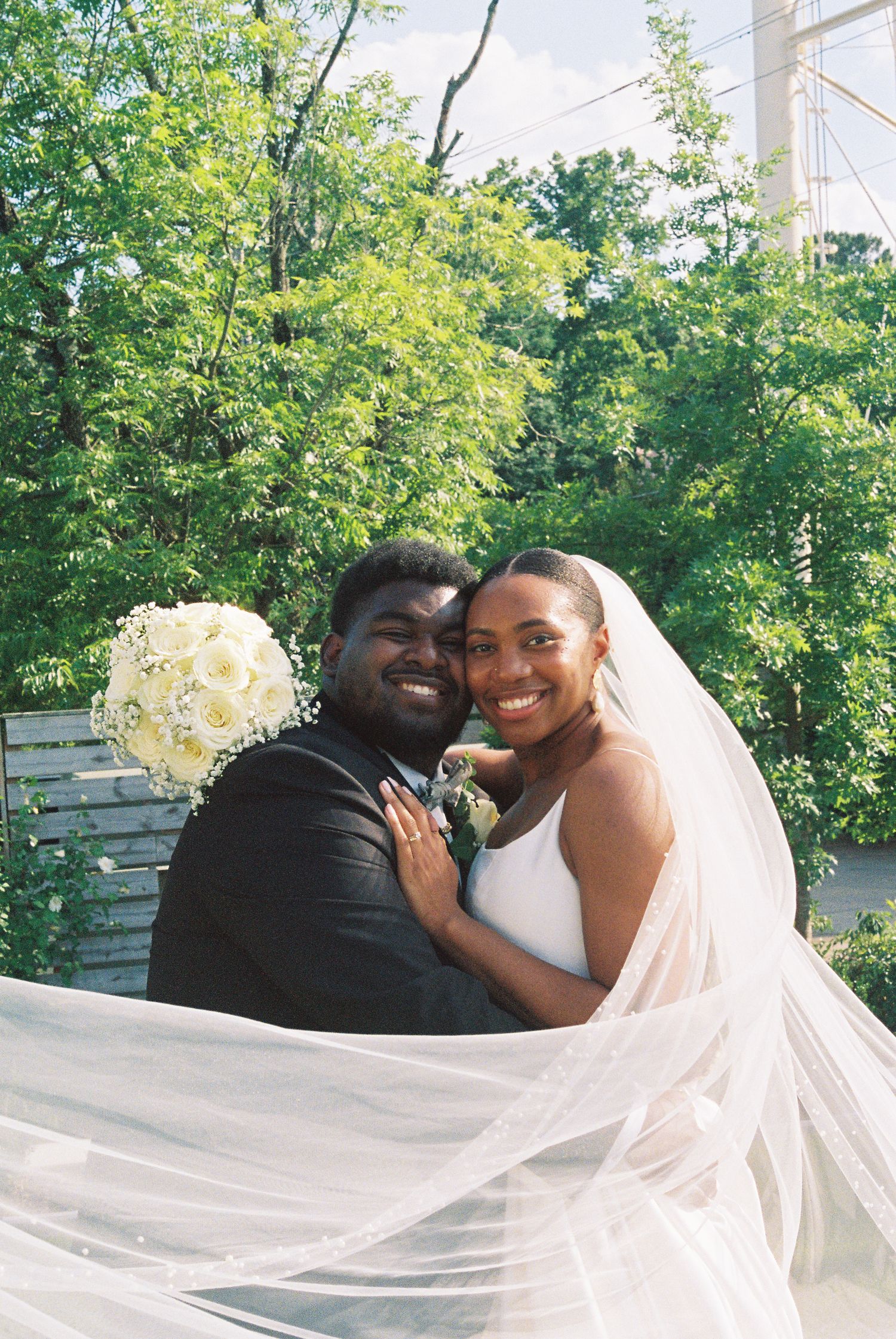
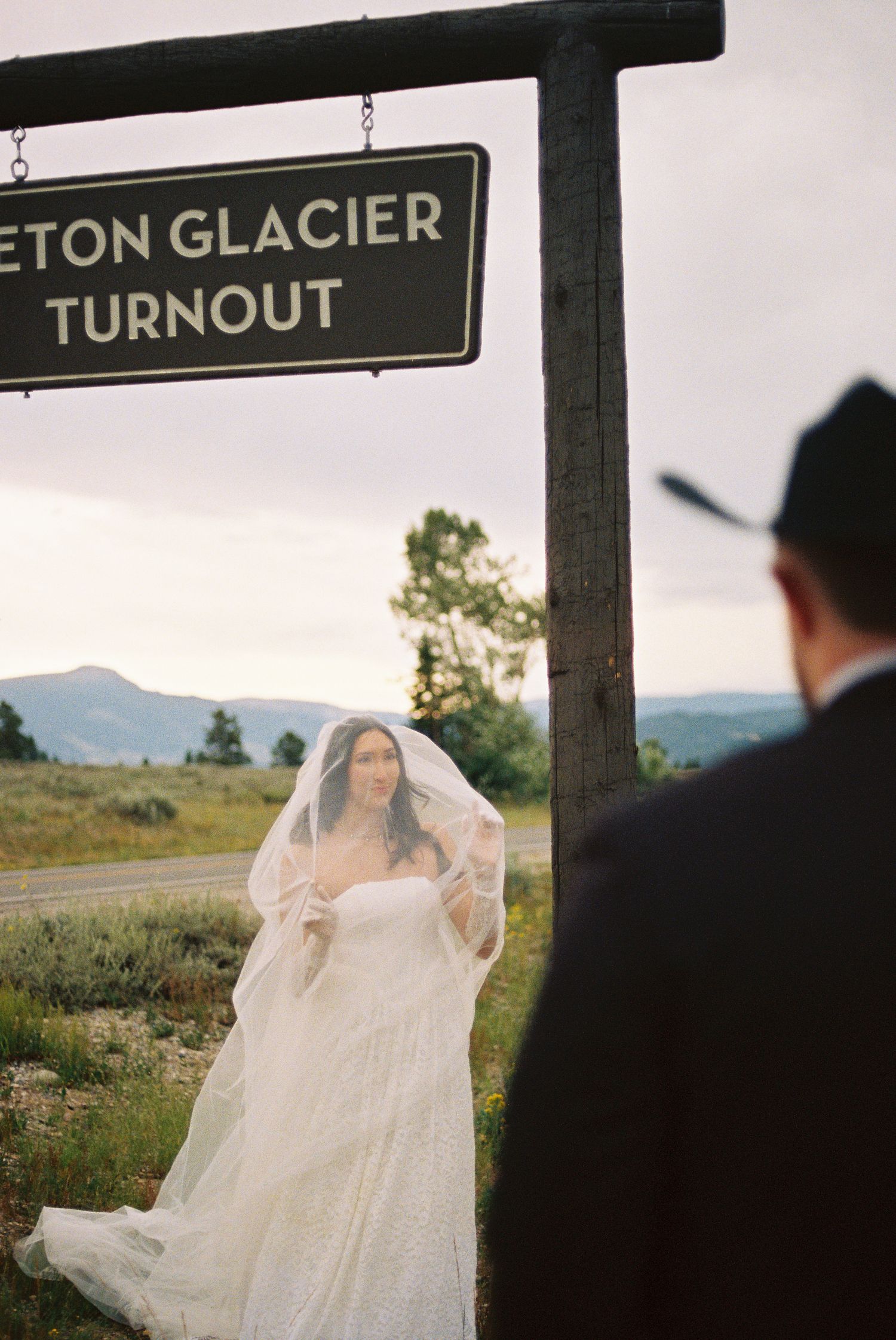
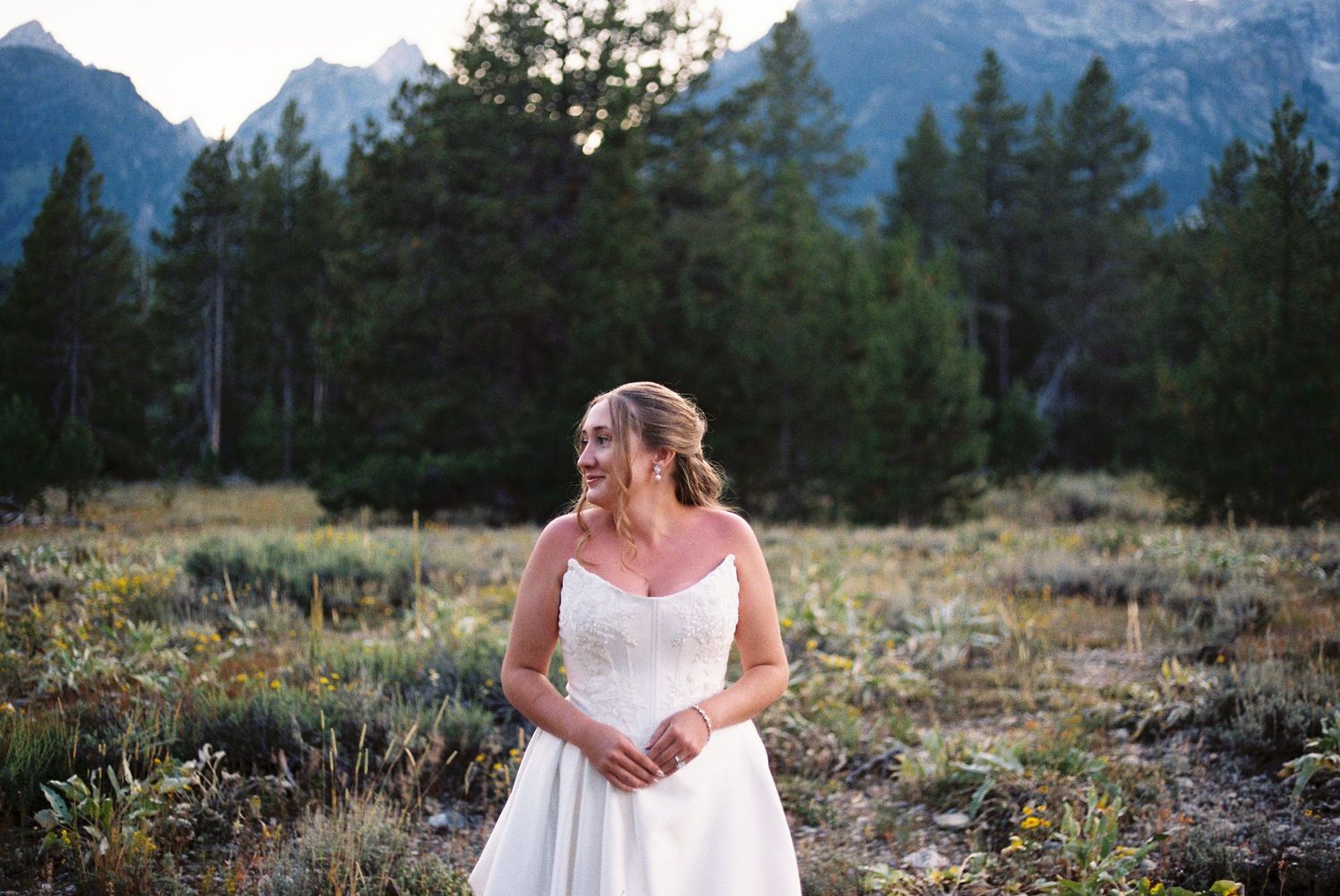
Portraits are another obvious favorite. Film handles natural light beautifully and can give portraits a softness that feels romantic without becoming overly polished.
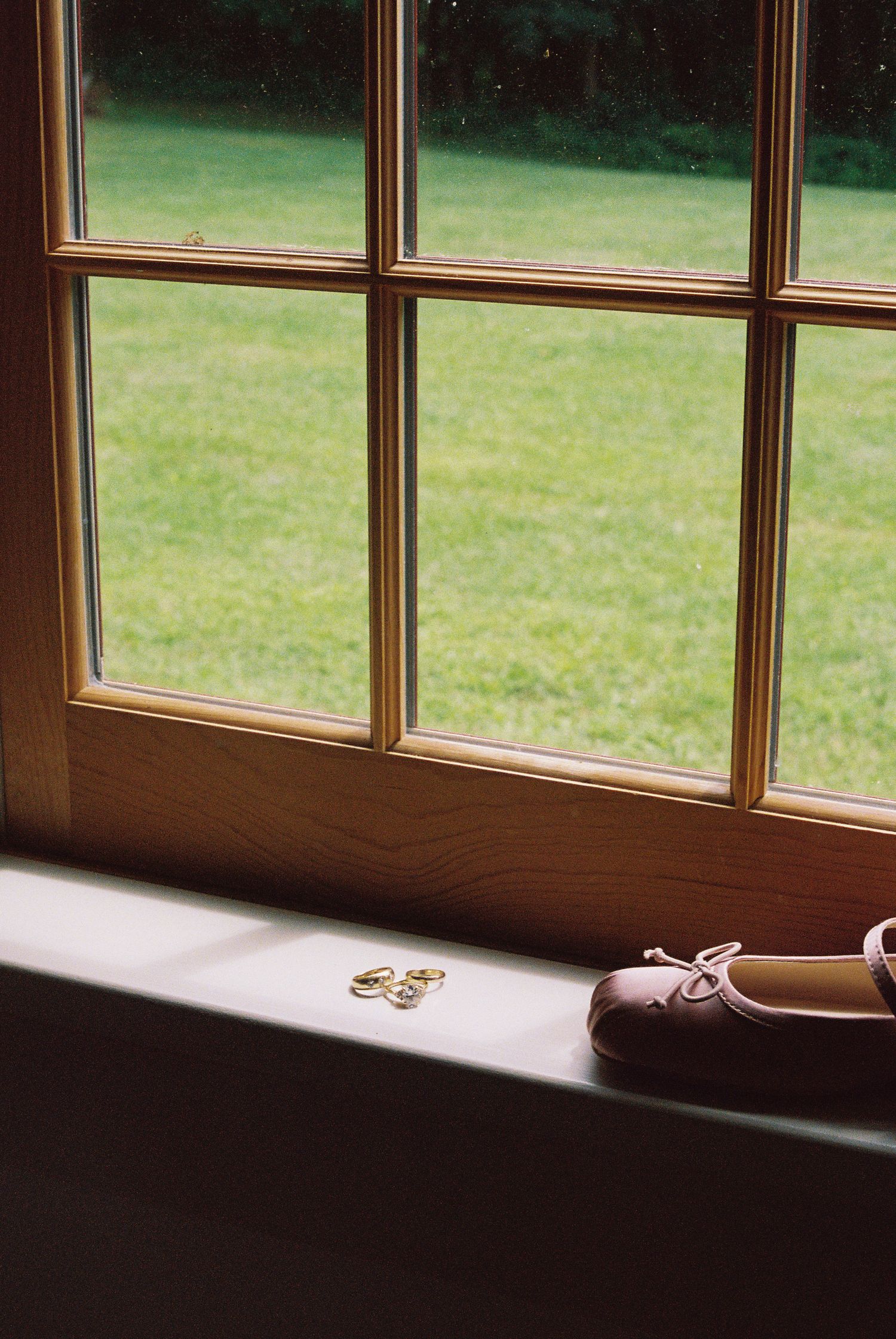
But some of my favorite film photographs aren't necessarily the big moments. They're the small ones: someone holding a half-finished drink, your grandparents talking at their table, a friend fixing your veil, your shoes kicked off underneath your chair, or people laughing together outside the reception. Film makes ordinary moments feel important, which is one of the biggest reasons I love it.
Will My Entire Wedding Be Photographed on Film?
Not necessarily... Some photographers specialize in photographing weddings primarily or entirely on film, but my approach is hybrid wedding photography, meaning I photograph with both film and digital cameras.
You'll still receive a complete digital wedding gallery documenting the entire story of your day. Film is woven throughout that gallery as another layer rather than being responsible for documenting every single moment.
I especially like this approach because I don't have to force film into situations where digital photography would serve you better. I can choose the camera based on what's happening rather than trying to make one medium work for everything.
How Many Film Photos Will I Receive?
This is one area where film is very different from digital photography. A roll of 35mm film contains a limited number of exposures, and not every exposure necessarily becomes a final photograph. Film photographers also tend to shoot more intentionally because every click of the shutter uses an actual frame.
The number of final film images will depend on how many rolls are photographed, the events of your wedding day, and how the film develops.
If a photographer offers film as part of a collection or add-on, ask whether the offering is based on a specific number of rolls or an estimated number of final images. Understanding that beforehand will give you much more realistic expectations than assuming you'll receive hundreds of film photographs.
Why Does 35mm Wedding Photography Cost More?
Unlike digital photography, every roll of film has a physical cost associated with it.
The photographer has to purchase the film, photograph it, send it to a professional lab, pay for developing and scanning, and then incorporate those scans into the final wedding gallery. Depending on the film stock and lab, those costs add up quickly.
There's also additional equipment involved, along with the experience required to photograph film confidently in changing wedding-day conditions.
When you're paying for film photography, you're not paying for an Instagram filter. You're paying for a physical photographic process from the moment the roll goes into the camera until the final scan reaches your gallery.
What Happens If a Film Photo Isn't Perfect?
Sometimes it won't be, and that's kind of the point. Film doesn't offer the same instant feedback as digital photography. I can't look at the back of the camera immediately after taking a photograph to make sure someone's eyes were open or check exactly how the exposure looks.
There's an element of trust involved. That's also part of why I use film alongside digital photography on wedding days. I'm not relying on film alone to document an irreplaceable moment, but I can still embrace the unpredictability that makes the medium special.
A film photograph might have more grain than expected. There might be motion blur. The colors might surprise us. Occasionally, something technically imperfect ends up being one of my favorite photographs in the entire gallery because it captures the feeling of the moment better than the technically perfect version.
If you want every photograph to be completely clean, sharp, and predictable, film may not be the part of wedding photography that excites you. If you love photographs that feel nostalgic, tactile, imperfect, and alive, you'll probably understand the obsession.
Is Film Good for Documentary Wedding Photography?
This is probably one of my favorite things about incorporating film into my documentary approach.
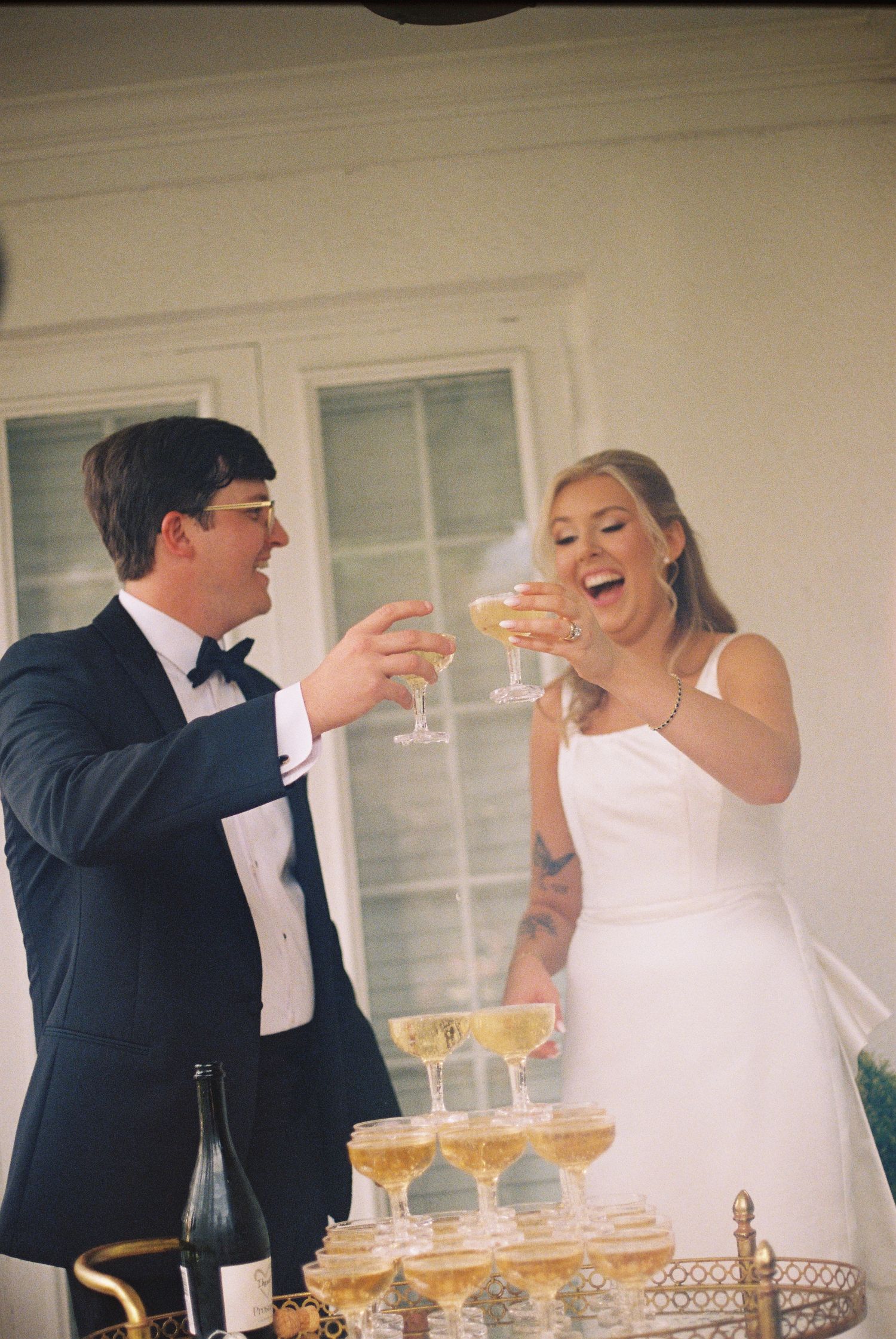
Documentary wedding photography is about paying attention to what's actually happening instead of constantly creating moments for the camera. Film brings another level of intention to that process because I have to decide which moments deserve one of those limited frames.
It makes me slow down and notice things.
That doesn't mean every film photograph has to be candid. I love creating editorial portraits on film too. But when film is mixed throughout a documentary wedding gallery, it can make the photographs feel less like a collection of content from one day and more like an archive of memories. That's ultimately what I want a wedding gallery to become.
Is 35mm Film Wedding Photography Worth It?
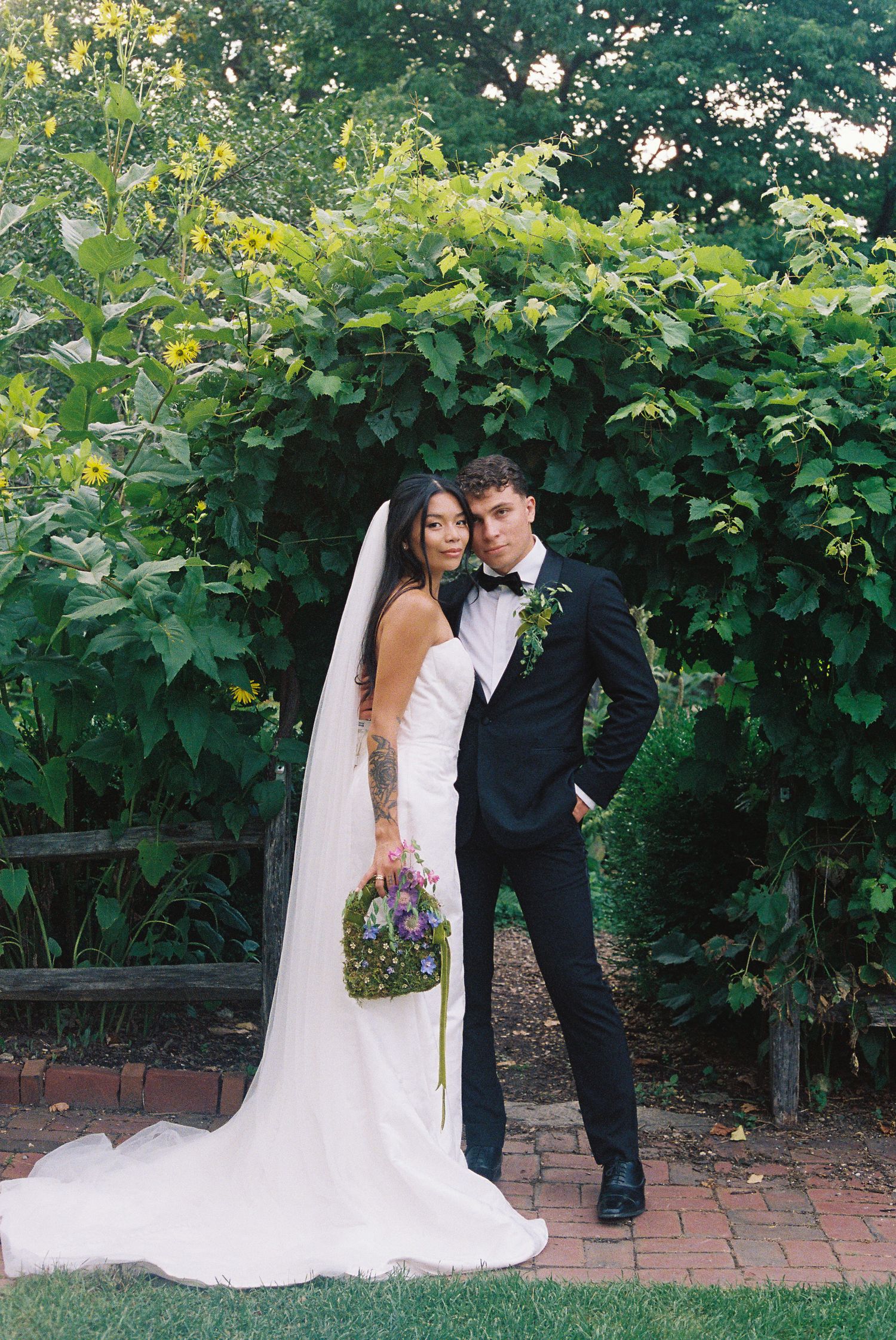
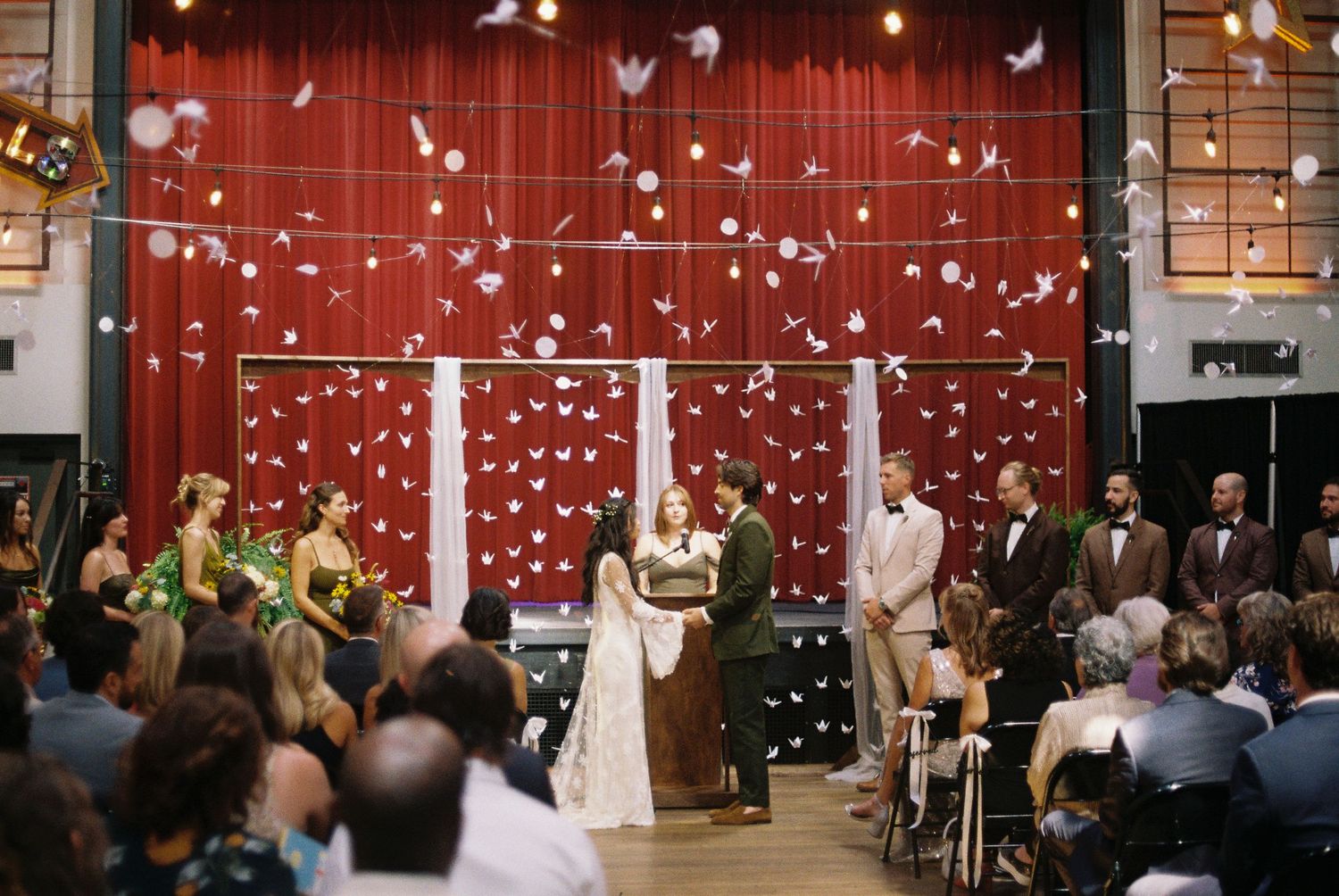
If you're drawn to film because you genuinely love the way it feels, I think it absolutely can be. I wouldn't add film to your wedding simply because it's currently popular on Pinterest or TikTok. Trends will change, and something else will inevitably become the next big thing.
Instead, think about the photographs you already love. If you're constantly saving images with visible grain, movement, direct flash, imperfect compositions, nostalgic colors, and photographs that remind you of old family albums, film might make perfect sense for your wedding.
It's especially meaningful for couples who care less about creating a perfectly polished gallery and more about having photographs that feel lived-in and personal.
35mm Film Wedding Photography at The Baucom House
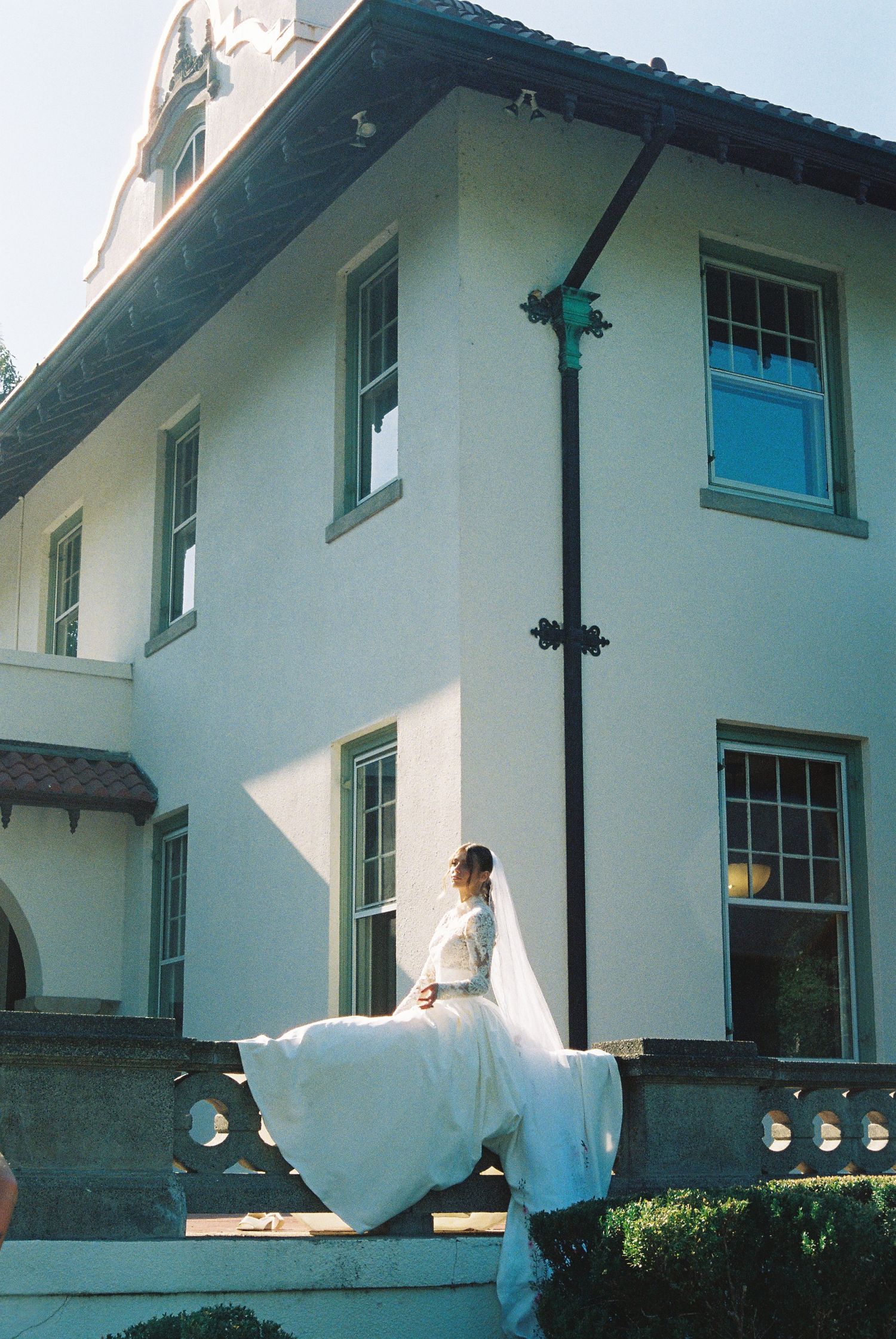
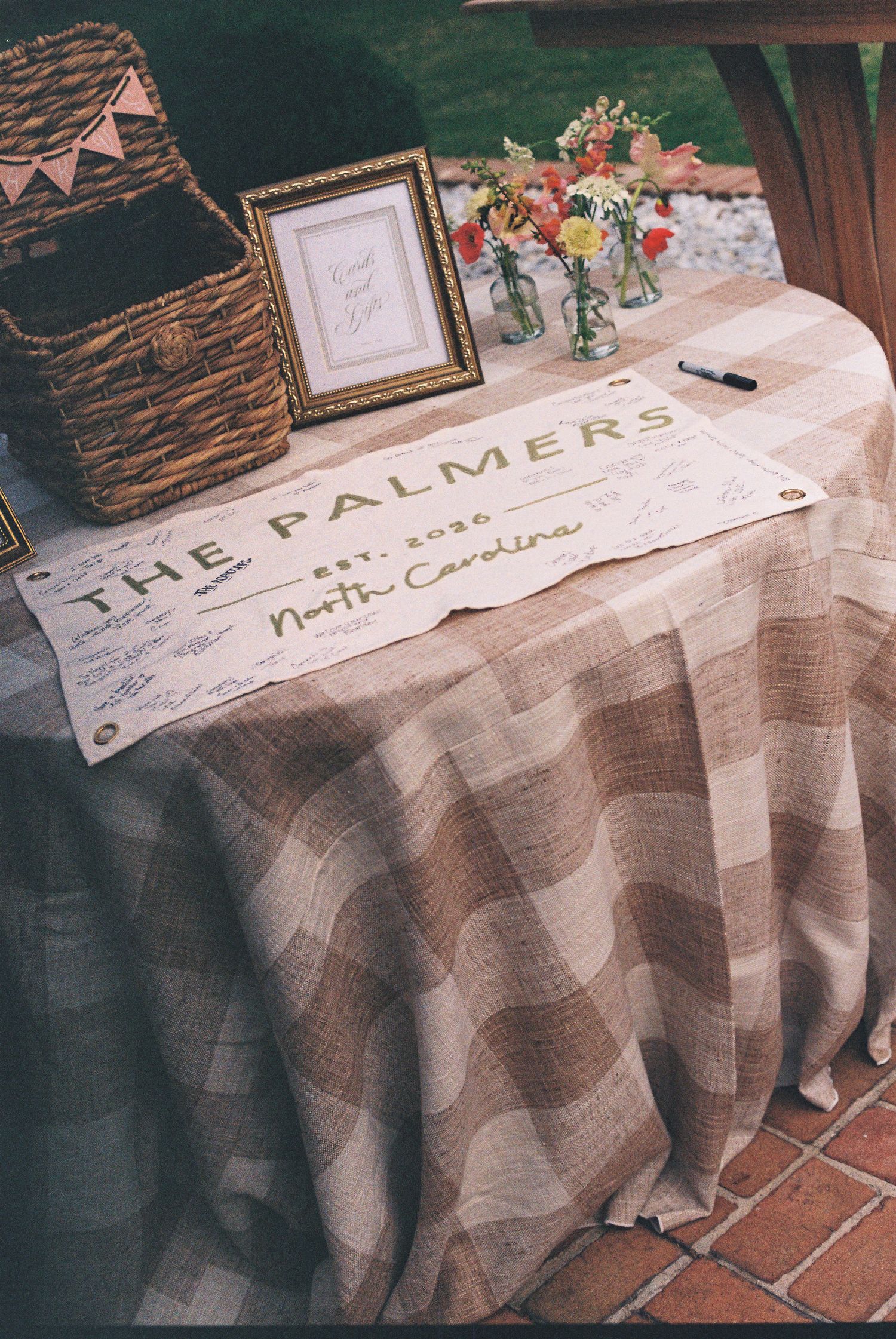
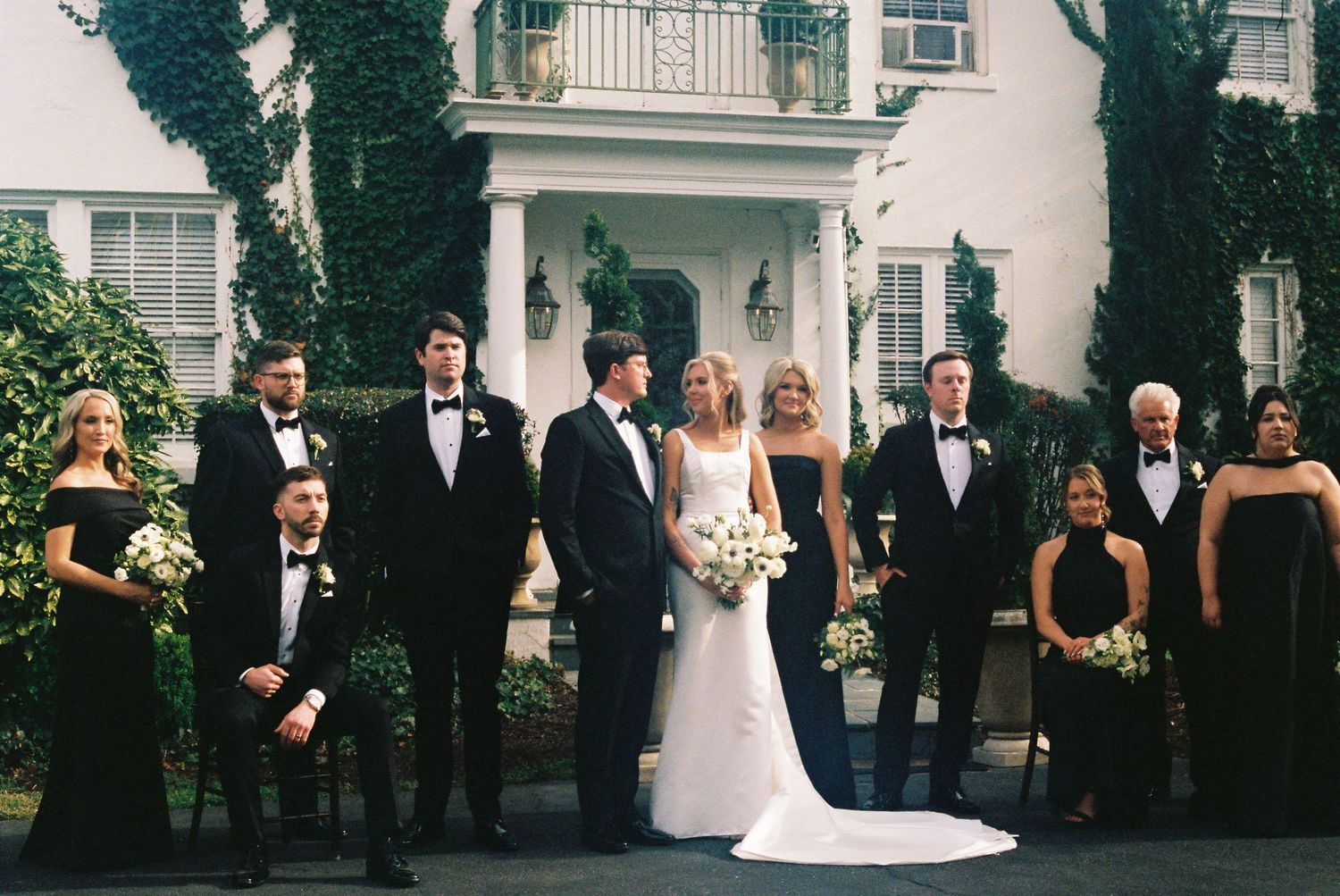
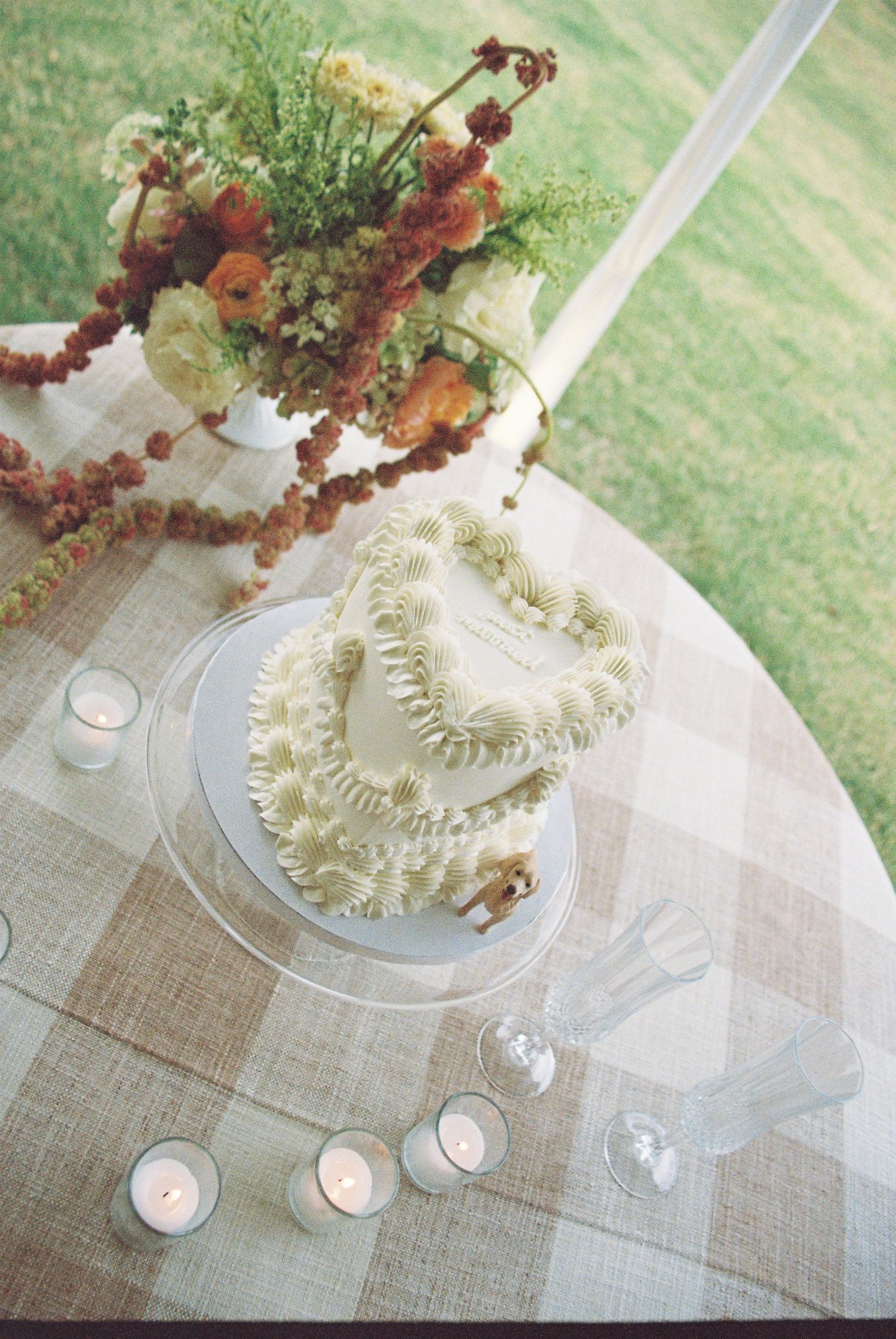
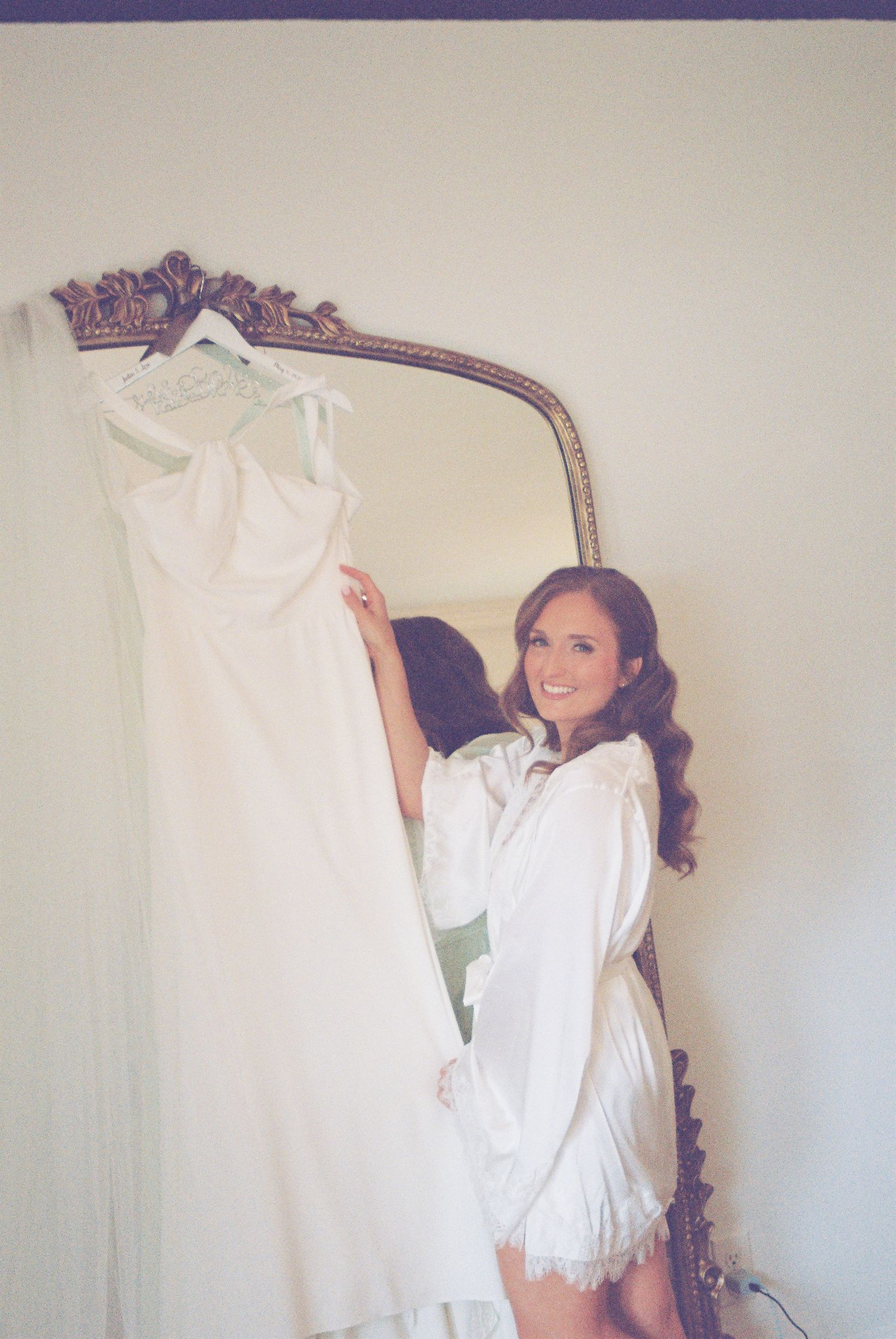
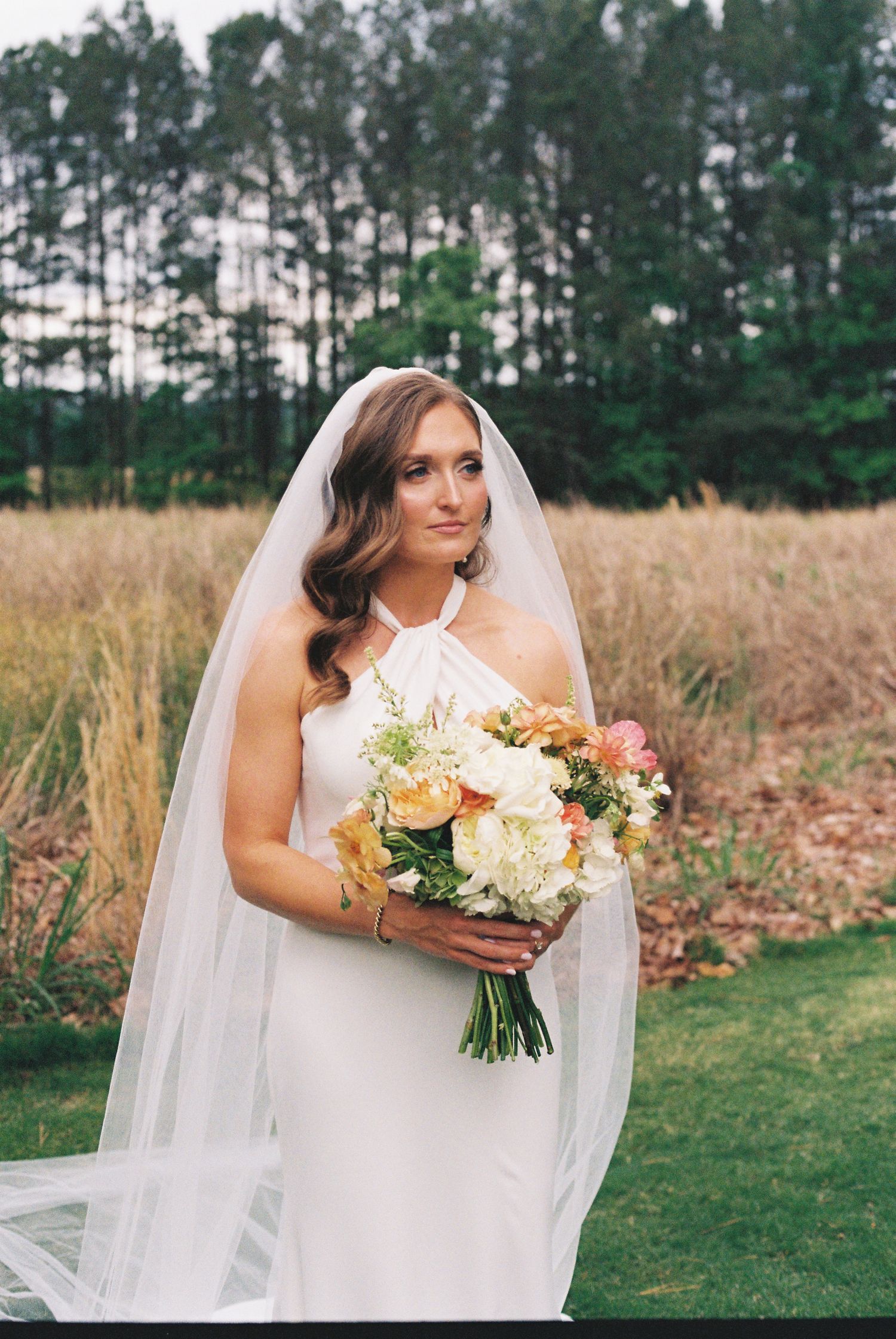
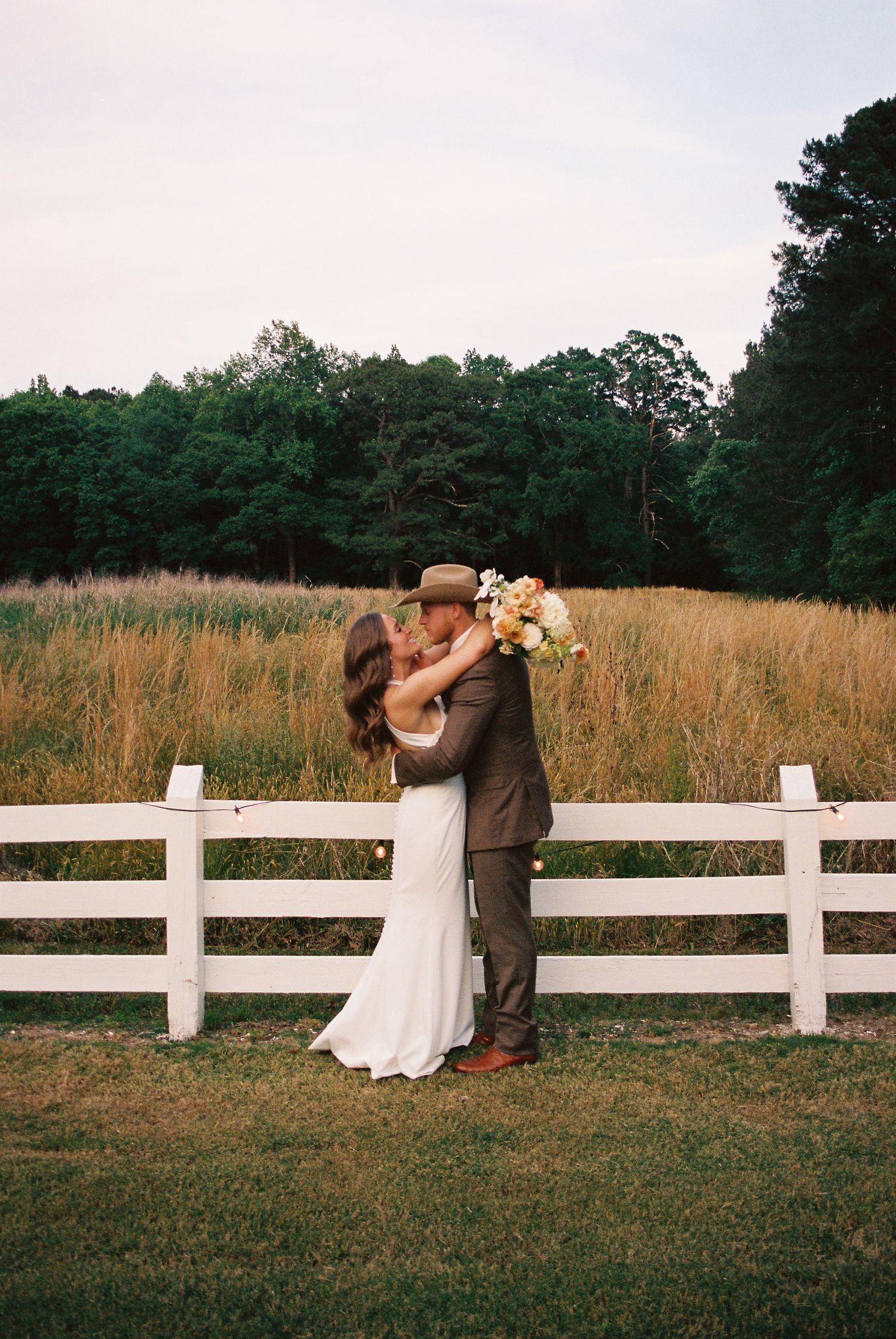
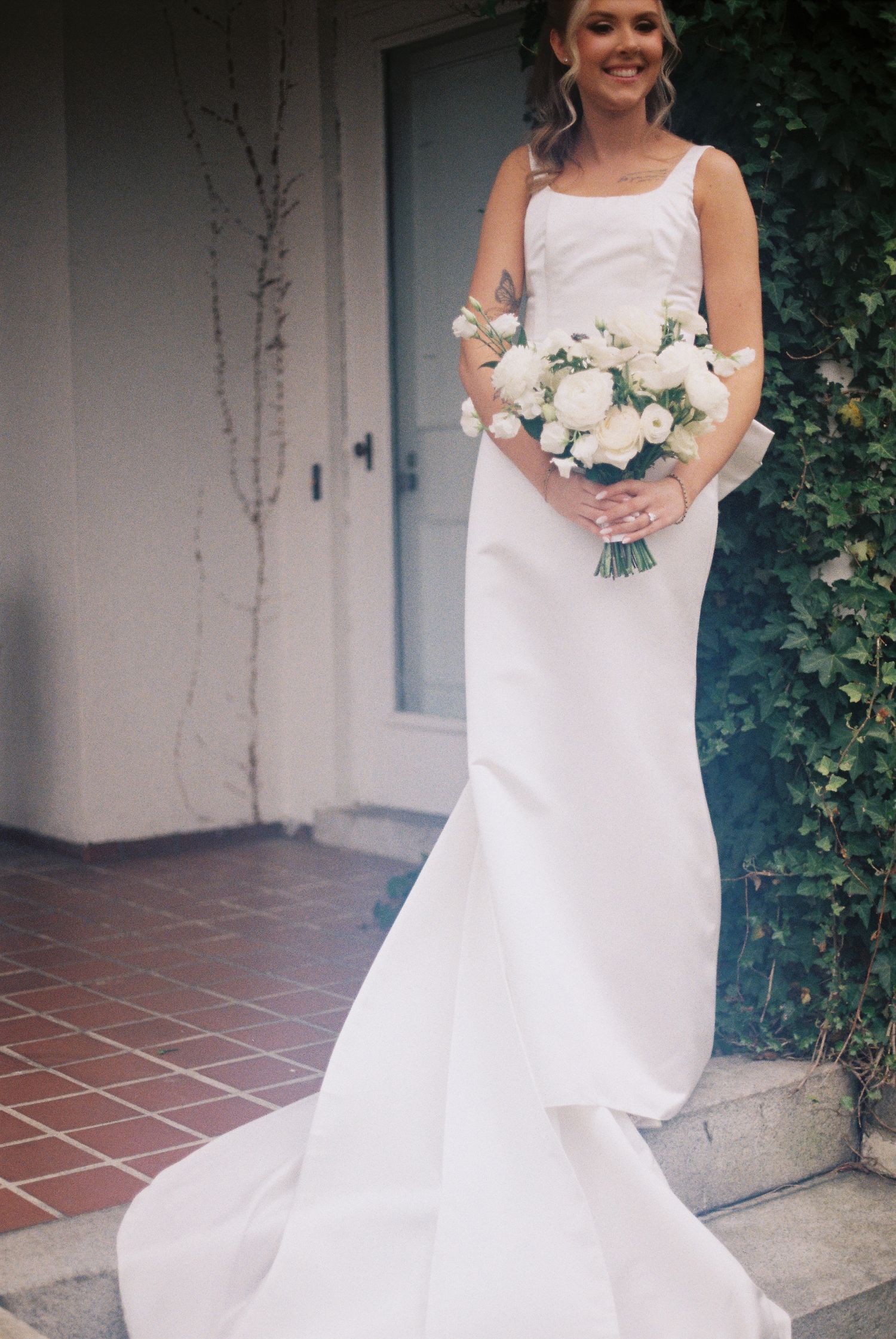
One of my favorite examples of how film can fit naturally into a wedding gallery is Lexi and Justin Palmer's wedding at The Baucom House in Raleigh. I photographed portions of their day on 35mm film alongside digital, using film for the kinds of moments I think it does best: photographs that feel a little nostalgic, imperfect, and lived-in.
Some of those film photographs were later featured by The Wed Society Raleigh, which was such a special reminder of why I love bringing film into wedding days in the first place. They weren't created to make the wedding look vintage or to follow a trend; they simply added another texture to the story of Lexi and Justin's day.
The Baucom House was also such a natural setting for film. Between the property itself, the people filling it, and all of the little moments happening throughout the wedding, it gave me the opportunity to create photographs that feel like they could already belong in a family album.
Choosing a 35mm Film Wedding Photographer in Raleigh, NC
If having real film photography is important to you, look for a wedding photographer who regularly incorporates 35mm film into their work rather than someone who occasionally brings a film camera along. Take a look through a photographer’s 35mm film portfolio and real wedding galleries, and pay attention to how the film photographs fit alongside the digital images. Ideally, the two should feel like parts of the same story rather than two completely different galleries.
It's also worth asking how your photographer approaches film on a wedding day. Do they use it primarily for portraits, or do they photograph candid moments on film too? Is film included in their collections or offered as an add-on? How many rolls are typically photographed, and are those rolls developed and scanned by a professional film lab? These questions will give you a much better idea of what you're actually receiving.
Most importantly, choose a photographer because you love the way they see and document a wedding—not simply because they own a film camera. Film is a medium, but the photographer is still responsible for recognizing the moments, light, relationships, and details worth preserving in the first place.
For my Raleigh and North Carolina weddings, I use 35mm film as part of a hybrid approach alongside digital photography. That means I'm able to choose whichever medium makes the most sense for the moment while creating a final gallery that still feels cohesive. Some moments call for the speed and flexibility of digital, while others make me immediately reach for my film camera.
If you're looking for a Raleigh film wedding photographer, I'd recommend looking for that balance: someone who understands the technical side of shooting film but, more importantly, knows how to use it intentionally to tell the story of your wedding.
Your wedding deserves to be remembered on film.
If you're planning a wedding in Raleigh, North Carolina, or wherever your story takes you and want photography that blends 35mm film, digital, and documentary storytelling, I'd love to hear what you're planning.